
 Search


Following an unsuccessful 2024, the Lithuanian commercial real estate investment market has shown growth in the first half of 2025. According to Ober-Haus, 183 million euros’ worth of modern commercial property (offices, retail outlets, warehouses, industrial buildings and premises valued at at least 1.5 million euros) was acquired in Lithuania in the first half of 2025. Investment volumes in the first half of 2025 were 137% higher than in the first half of 2024, and 21% higher than in the second half of 2024. However, despite the recorded growth in volume, the investment transaction market remains largely dominated by local capital and small-to-medium-sized transactions, according to the Ober-Haus market review.
Interest in small-format shops remains very high
In the first half of 2025, the average value of an acquired property was just over €7 million, similar to 2024. The value of the largest transaction did not exceed €30 million. “The largest share of investments went to retail properties, with €86 million, or 47% of all investments in commercial real estate in Lithuania, being spent there. This segment also saw the largest investment transaction in the first half of this year,” says Raimondas Reginis, Market Research Manager for the Baltic States at Ober-Haus. Following approval from the Competition Council of the Republic of Lithuania to proceed with the merger, an investment transaction was completed in mid-2025 whereby the investment company NDX Group acquired the Savas shopping centre in Kaunas, which has an area of over 13,000 sqm. The shopping centre, which opened in 2004, was previously owned by the real estate development company Hanner. The amount of the transaction has not been disclosed, but the asset’s value is estimated at around €30 million in the financial statements.
Another significant transaction was completed in Šiauliai, where the Lithuanian real estate investment firm Mažoji Venecija purchased the Arena shopping centre, which spans over 11,000 square metres. The shopping centre on Gegužių Street, which is home to various companies, was sold for €11 million. As in previous years, small-format stores (1,500–4,000 sqm), mostly occupied by major food chains, attracted strong buyer interest in the retail segment. As many as nine units of this format were acquired in the first half of 2025 alone (compared to ten units in 2024).
Warehousing and industrial properties accounted for a third of investments in the first half of this year
The warehouse and industrial segment saw high levels of investment in the first half of this year, with acquisitions accounting for 33% of all commercial real estate investments in Lithuania.
The largest transactions were concluded in the first quarter, when Prosperus, an investment company, acquired the VMG Grupė industrial innovation park, VMG Technics R&D Park, in the Klaipėda district for EUR 26 million. Following the sale, VMG Technics will continue to lease the 21,000 sqm building. The same Prosperus-managed fund also acquired warehouse buildings in Kaunas from the investment manager Eften Capital. Eften Capital’s fund acquired these Terminalo St. warehouses, which cover an area of over 28,000 sqm, in 2017 and sold them this year for just over EUR 18 million. Other smaller properties (up to €8 million) were acquired in the Vilnius, Kaunas, and Klaipėda regions.
Investor interest in the office sector remains low
The office segment was characterised by unusually low investment volumes. According to Ober-Haus estimates, office properties were acquired for EUR 36 million in the first half of this year, accounting for 20% of all investments in commercial real estate in Lithuania. Only one major transaction was made in this segment: the Lithuanian investment company Groa Capital acquired the Meraki business centre in Vilnius. A fund managed by Northern Horizon Capital announced the sale of the business centre, which has an area of more than 8,000 sqm with the potential for further development, for around EUR 16 million. Other smaller office properties (up to €5 million) were acquired in Vilnius, Kaunas, and Klaipėda.
“The highly developed office sector in the capital city, which already offers the market almost 1.2 million sqm of modern office space, is one of the main drivers of commercial real estate investment transactions in the sector. However, the office sector has faced a number of challenges in recent years, including sluggish tenant development and rising vacancy rates, which have deterred potential office buyers and worsened the country’s overall commercial real estate investment volumes,” says Reginis.
In the first half of this year, 90% of all investments originated from Lithuania
Growth in investment volumes this year has been driven exclusively by local capital, as there are currently no signs that foreign investors who left the Lithuanian real estate market will return in the near future. According to Ober-Haus, the proportion of investment transactions involving Lithuanian capital increased from 73-82% between 2022 and 2024, reaching 90% in the first half of 2025. Between 2012 and 2021, for example, the share of local investors was just 37%.
According to Reginis, this is not good news for real estate sellers, as the market is facing a liquidity problem with a significantly smaller pool of potential buyers and increasing expectations of investment returns. “This is particularly pertinent for those looking to sell larger properties, as only a small proportion of local investors can afford such purchases. Therefore, buyers of large properties that are currently being sold could indicate the direction in which the investment market is heading — whether we should continue to rely on local capital or whether foreign investors are regaining confidence in our region,” says the Ober-Haus representative.
The Ober-Haus Lithuanian apartment price index (OHBI), which follows changes in apartment sale prices in the five biggest Lithuanian cities (Vilnius, Kaunas, Klaipėda, Šiauliai and Panevėžys) increased by 0.7% in June 2025. The annual apartment price growth in the biggest cities of Lithuania was 6.7% (a 6.4% increase was recorded in May 2025).
In June 2025 apartment prices in Vilnius, Kaunas, Klaipėda, Šiauliai and Panevėžys increased by 0.6%, 1.0%, 0.9%, 0.5% and 0.7%, respectively, with the average price per square meter reaching EUR 2,768 (+17 EUR/sqm), EUR 1,926 (+19 EUR/sqm), EUR 1,816 (+16 EUR/sqm), EUR 1,212 (+7 EUR/sqm) and EUR 1,192 (+8 EUR/sqm).
In the past 12 months, the prices of apartments increased in all the biggest cities in the country: 5.8% in Vilnius, 8.4% in Kaunas, 7.6% in Klaipėda, 7.2% in Šiauliai and 8.1% in Panevėžys.
“The country’s housing market is showing an impressive recovery this year, characterised by increased sales volumes and accelerated price growth. Although the number of housing transactions fell by 13% in June compared to May, the annual growth rate remains in double digits. According to data from the State Enterprise Centre of Registers, the number of houses purchased in June this year was 13% higher than in the same month in 2024, while the number of apartments purchased was 16% higher.
The continued decline in Euribor interest rates has encouraged homebuyers to return to the loan market, where record volumes of new mortgages are being recorded. According to the Bank of Lithuania, the average interest rate on newly concluded housing loans has fallen by 1.7 percentage points year-on-year to 3.73%, while the monthly volume of new housing loans granted in the country has already exceeded EUR 270–280 million in recent months. In January–May 2025, the total amount of new housing loans granted was EUR 1.29 billion — 69% more than in the same period of 2024.
However, the rapid recovery of the housing market has also led to an acceleration in the growth of selling prices in the second quarter of 2025. While in the first quarter of this year the sales prices of flats in the country’s major cities grew by 1.5%, in the second quarter of this year a price growth of 3.6% has already been recorded. The price growth is evident in the typical older housing segment, which is by far the largest and most popular among buyers. For example, in the first quarter of 2025, buyers paid an average of EUR 102,000 for a two-room apartment of older construction in the most popular districts of Vilnius, while in the second quarter of this year it was already EUR 109,000. While recent interest rate reductions and rising incomes are improving affordability, faster house price growth may slow down the improvement in affordability indicators,” said Raimondas Reginis, research manager for the Baltics at Ober-Haus.
Full review (PDF): Lithuanian Apartment Price Index, June 2025

In Vilnius, the 66% increase in the cost of short- and long-term on-street parking from 1 July will inevitably lead to higher prices at offices and private car parks. However, as the desire to drive to work remains strong, the new prices will primarily result in additional costs and inconvenience, or the need to find ingenious solutions.
Despite aspirations to promote the sustainable movement of people in cities, the Vilnius office market shows that this is not yet being achieved. Although ‘parking’ is not a decisive factor in Ober-Haus’ office negotiation practice, it is certainly one of the most important issues for tenants. It is not a matter of personal whims or privileges of managers — in a competitive labour market, companies are simply trying to meet the real needs of their employees.
The cost of land, changing regulations and design considerations mean that the number of parking spaces near business centres is actually decreasing. Just two decades ago, large developers could build large multi-storey car parks in central business districts and allow tenants to park for free, with a limit on the number of spaces per company. According to Ober-Haus estimates, there was one space for every 25–40 sq m of rented office space at that time, which is twice the number of spaces available now. However, as the number of cars increased, business centre managers started to charge for parking, replacing spaces dedicated to companies with free parking for a particular tenant’s cars.
The admission principles for the sites themselves have also changed. Since the beginning of this decade, Vilnius has replaced nominal permits with a ‘first come, first served’ approach. Companies can enter an unlimited number of number plates into the system, but the barrier is only raised if the tenant’s limit is not exceeded. In the newest business centres, one parking space is currently usually allocated for every 50–70 sq m of leasable area. In other words, statistically, only about one in every five to seven employees can expect to find a parking space in the office car park. The price of a parking space has risen faster than office rents in recent decades and, today, it is around EUR 75–150 per month in the central business districts of Vilnius, and sometimes even more. However, the further away from the city centre you go, the cheaper it gets: a parking space in a B-class office can cost as little as EUR 35–60 per month.
Office developers would be happy to meet all tenant demand, but this often conflicts with the commercial objectives of developing business centres. Surface car parks are included in the potential development area of a site, so they do not generate much revenue, and large underground car parks are technically challenging and expensive to build. Furthermore, parking is not office managers’ core business, so some generally outsource car park management to private operators. This enables drivers to use a limited number of spaces assigned to tenants; beyond this limit, they can simply pay an hourly rate like any other guest in the building.
In an effort to tackle the ever-growing parking problem, residents and businesses are adopting a variety of strategies: scheduling home and office workers, enabling employees to arrange who will use the office car park on a given day, and encouraging colleagues to carpool. Others are looking for opportunities to register their residence in the relevant parking charge zone, as individuals can receive significant benefits. Business centres and their tenants have, for some time, been paying particular attention to bicycle and scooter storage facilities, showers, and changing rooms, respectively. They have also introduced other measures and internal initiatives to support and encourage alternative transport. Some companies fully or partially reimburse employees for public transport, car-sharing or shuttle services.
However, for employees unwilling or unable to give up their cars, on-street parking or private car parks are often paid for. It is this segment that will be most affected by the latest tariff increase in Vilnius. From 1 July, after an 8-year gap, the hourly parking rates regulated by the municipality will increase by an average of 60%, as will the long-term permits relevant to office workers. In the yellow and green zones, where there is a monthly payment option, parking costs have risen to €110 and €55 per month, respectively, while reserved parking spaces in the blue and red zones now cost €525 and €840 per month.
In response to the growing number of drivers and the increasing demand for parking, it is clear that car park rates managed by private operators and business centres will soon rise. Without any fundamental change in the way people travel to work, these changes will primarily result in additional business costs that not every company will be able to bear.
Unfortunately, there are no easy or quick solutions to this issue, so, after the holiday season, Vilnius workers and employers will once again start to discuss transport challenges more loudly. We advise tenants looking for offices to thoroughly investigate all potential parking options in and around the business centre of interest. For example, it is still possible to negotiate additional temporary parking spaces with facility managers if reasonable notice is given. There is also always room for communication with employees, new technologies or ‘soft’ initiatives within the company itself.
In the short to medium term, however, these innovations are most likely to generate additional costs and tensions. However, if workers and employers channelled this energy into a public debate on city planning and transport, fundamental change could happen more quickly. In the European context, neither Vilnius nor its citizens are unique — many European capitals and major cities do not have enough parking spaces for all residents. Therefore, cities first and foremost need systemic conditions to reduce daily car usage and provide competitive transport alternatives.
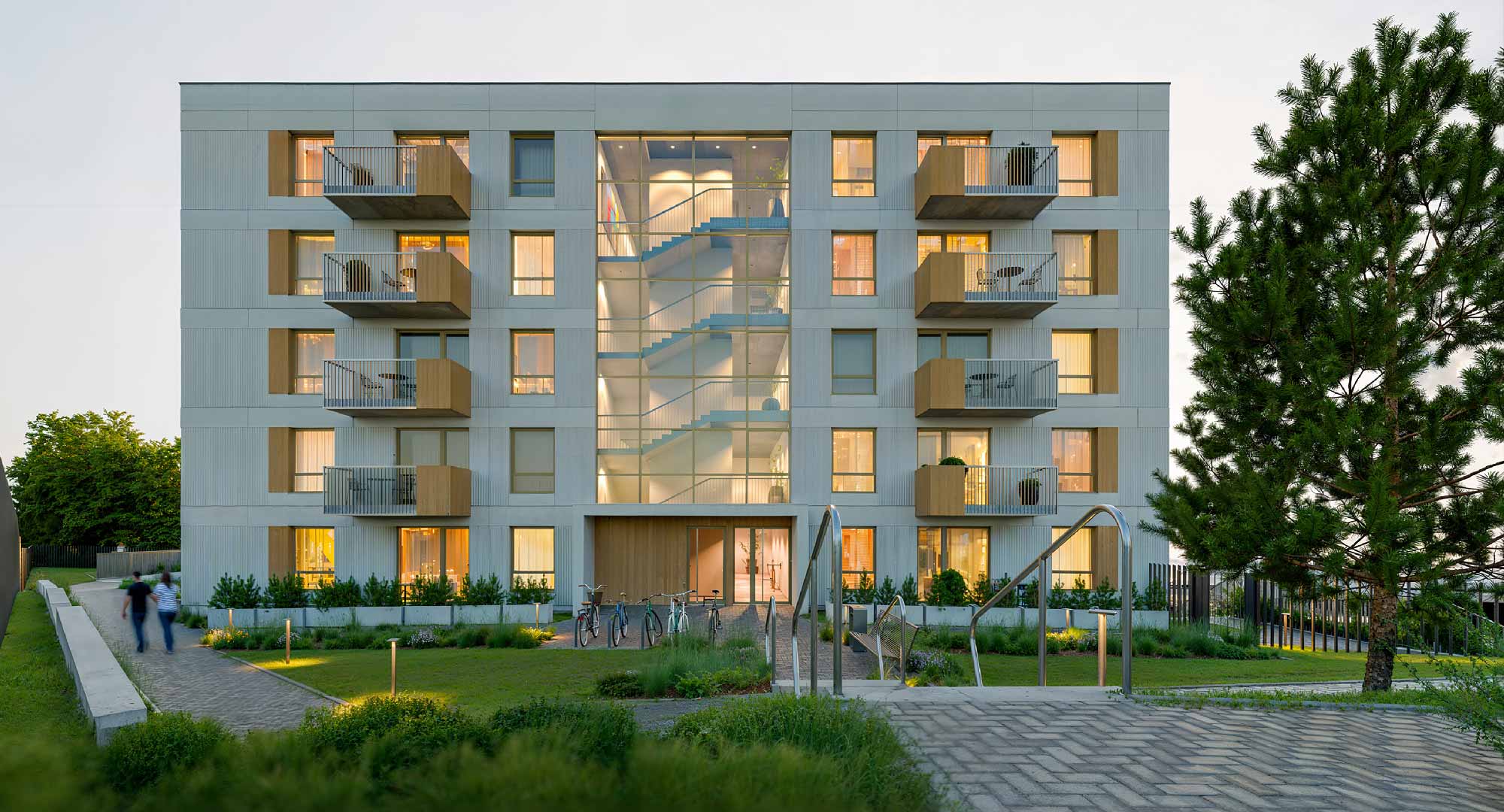
Construction has started on a new residential project called Pašilaičių SOLO in the northern part of Pašilaičiai in Vilnius. This five-storey apartment building, which has only 40 apartments, is distinguished by its cosy atmosphere, well-designed dwellings, and extremely convenient city location.
This project is ideal for those looking for a comfortable, quiet city life. The smaller population, highest energy class A++ rating, underfloor heating and tidy surroundings create the feeling of a sustainable, quality home. Every detail has been considered to ensure the comfort of modern residents, from the home’s layout to the provision of everyday conveniences,” says Marius Čiulada, the project’s Sales Manager.
Buyers can choose from one- to four-room apartments (from 31 to 77 m²), all of which have balconies or terraces. The apartments are sold with partial finishing, but buyers also have the option of full finishing.
Underground and surface parking spaces are planned for cars and electric vehicles, as well as storage facilities. The courtyard will feature a seating area and a children’s playground.
The Pašilaičių SOLO project is being implemented by UAB Hiltus, an experienced general contracting company that ensures quality and durable solutions at every stage of construction. The Ober-Haus team is responsible for the project’s sales and marketing.
The project is being developed at Tarandės g. 2B, just a few hundred metres from public transport links, shopping centres, kindergartens, and schools. Access to the city centre is convenient via Ukmergės Street and the Western Bypass.
Construction is expected to be completed in the first quarter of 2026.
More information about the project: www.pasilaiciusolo.lt
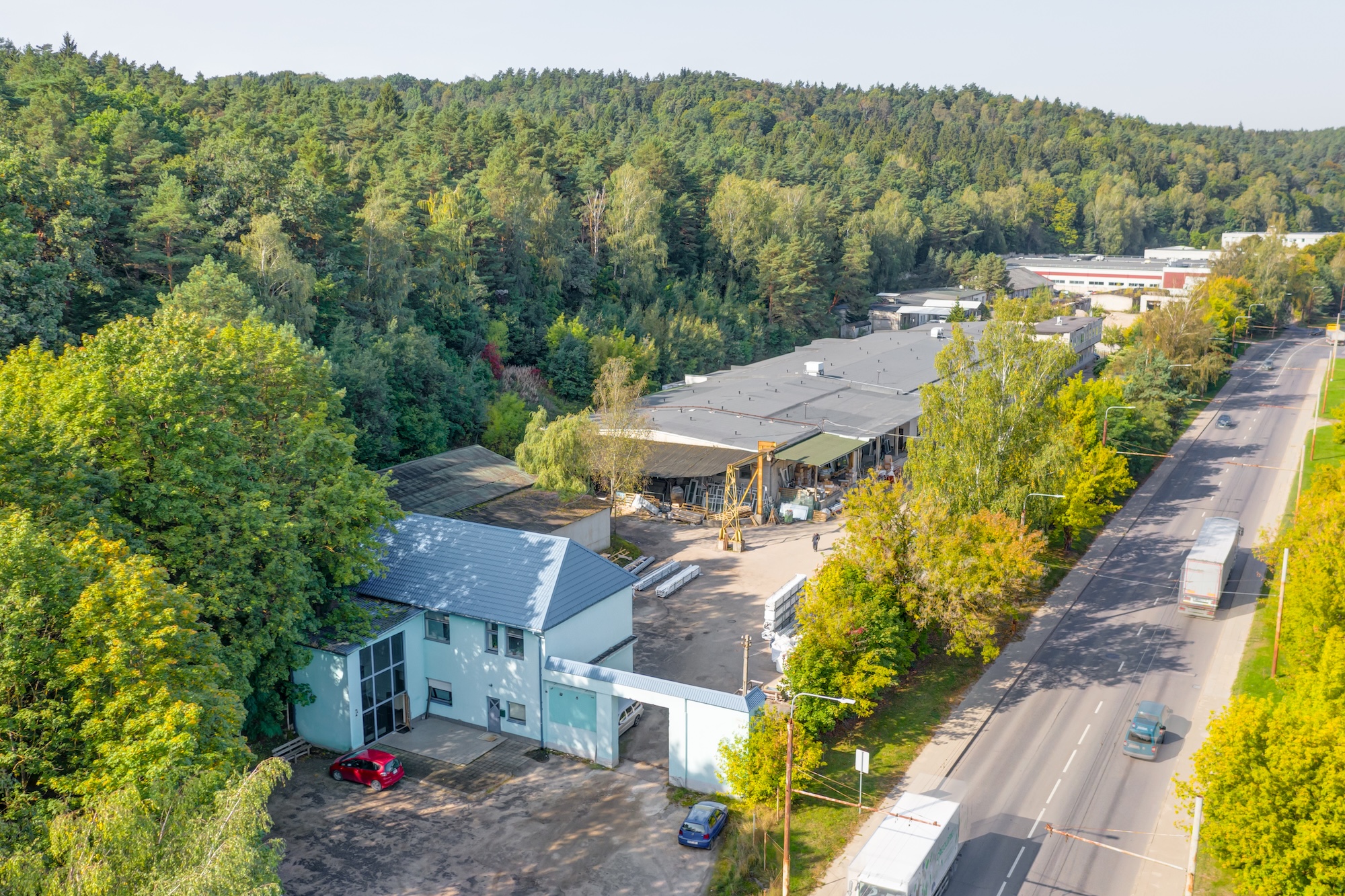
An industrial-administrative complex located on Titnago Street in the western part of Vilnius was sold for almost 2 million euros through Ober-Haus. The 3,600 m² facility was acquired by Almeca UAB, a window manufacturing company. The new owner has adapted the facility for its own use, and production is now underway.
“Despite the somewhat sluggish commercial real estate market in recent years, this complex has attracted a lot of interest — it has been actively evaluated by companies from various sectors looking for space for production, warehousing, or mixed use. Titnago Street is conveniently located in terms of transport and logistics, which is why this type of property remains attractive,” says Remigijus Valickas, Manager of Commercial Real Estate Projects at Ober-Haus.
According to Mr Valickas, the market has recently seen interest in properties that can be quickly adapted to individual operational needs, particularly in the manufacturing, logistics, and service sectors. Although such properties require investment in renovation, they offer businesses more flexibility and the opportunity to start operations more quickly.
“We are seeing a growing number of capital-accumulating companies in Lithuania, and this transaction is a good example of that. Being part of this growth is an important commitment for us and motivates us to continue,” adds R. Valickas.
In 2024, Ober-Haus generated a turnover of EUR 5.4 million (excluding VAT) in Lithuania. Although market activity last year was more subdued than anticipated, the company began the year with one of its best ever results. This growth was driven by the recovery of the residential and commercial property markets, which began in early spring and has continued to this day.
“2024 was a year of moderate growth. The real estate market was rather sluggish in the first half of the year, with economic and geopolitical uncertainty leading to cautious behaviour among buyers and real estate professionals. The market only started to pick up speed in early autumn. We ended last year and started this year at that speed — with double-digit growth. For example, after closing in May this year, we saw growth of around 50% in the home sales segment”, says Audrius Šapoka, CEO of Ober-Haus Lithuania.
 In 2024, Ober-Haus provided 11,500 services in Lithuania. Last year, the company completed almost 1,000 residential and commercial property sales and 500 lease transactions. It also provided 10,000 property valuation reports and offered valuation expertise and advice to clients.
“In terms of new housing projects, we are planning growth and will begin selling at least twelve new projects, in addition to those already in our portfolio. Each year, we work on around 15–20 different projects, and we have now worked on over 220 real estate projects. We therefore have a wealth of experience and a good understanding of how to not only market, sell and promote projects, but also how to design them. We know which technical, architectural and engineering solutions to implement to ensure projects are profitable and deliver the highest additional return. We also know what not to do to keep already sensitive construction costs under control.
In the commercial real estate sector, we recognise our strengths: our in-depth knowledge of the local market and our close relationships with local businesses. We are growing our market share in the office rental market. This sustained growth is driven by our commitment to business principles and our ability to deliver on our promises — something that clients in the intermediary business often find lacking. I am very happy about that because we are indeed creators of long-term partnerships.
In the valuation segment, order intake is growing in line with the housing market and the attraction of large corporate clients, increasing by around 10% each year. We are confident in the quality of our valuation reports, and our direct clients, as well as all major banks and credit companies that accept our valuations, recognise and value this.
I am confident that this will be a very active year for the real estate market, especially in the residential and mid-market segments. Those who have a strong team and work extremely hard will benefit the most,” says Audrius Šapoka.
Ober-Haus has been operating in Lithuania since 1998 and has offices in Vilnius, Kaunas, Klaipėda, Palanga, Šiauliai, Panevėžys and Druskininkai, where more than 140 real estate experts are based. The company provides services including real estate and movable property valuation, intermediation in buying, selling and renting real estate, asset management and market research.
We present the annual Baltic Lithuania (Vilnius) Real Estate Market Review 2025, covering the investment transactions, office, retail, warehouse, residential and land markets.
Full report (PDF): Lithuania/Vilnius Real Estate Market Report 2025
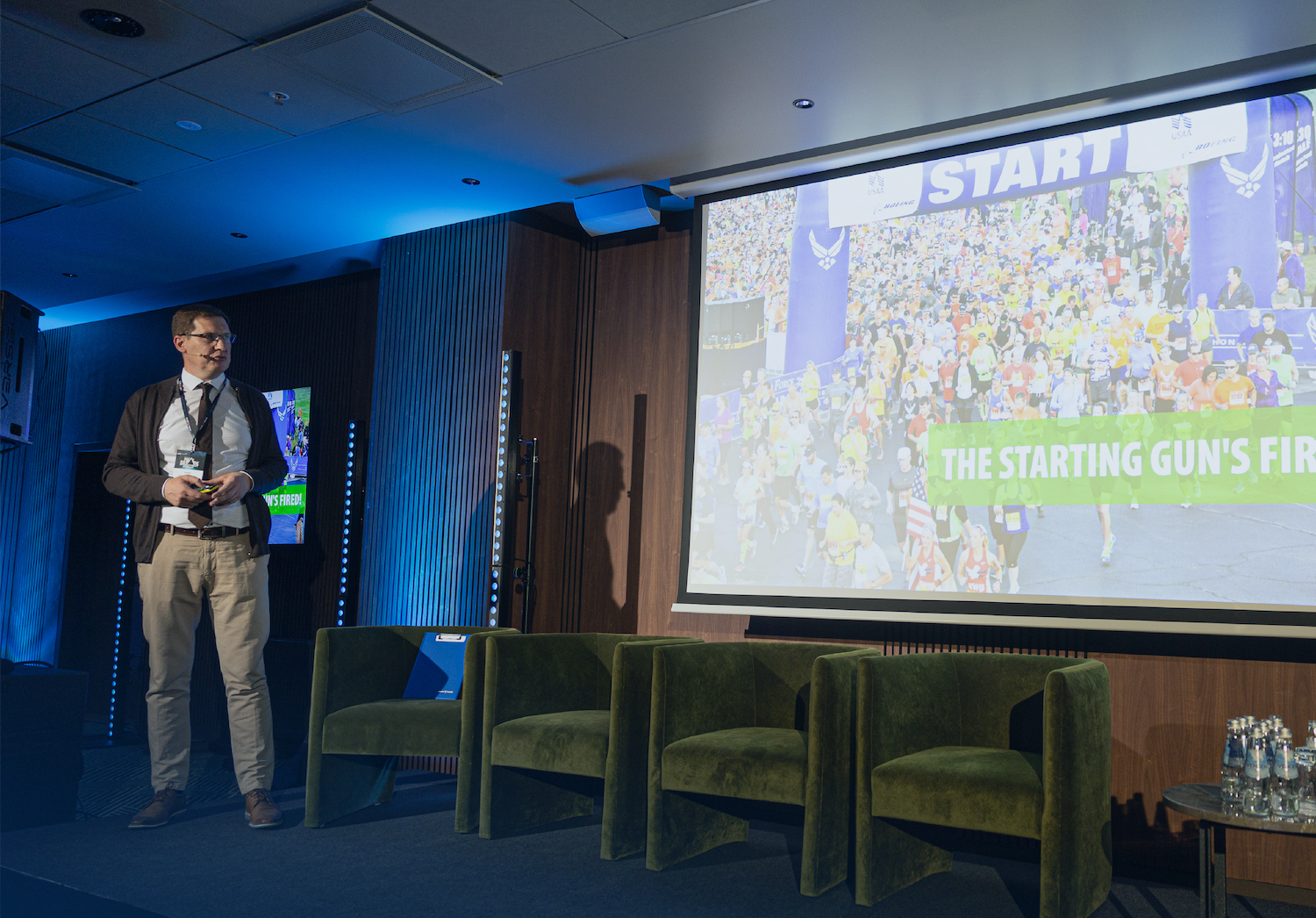
The Baltic housing market today is diverse, segmented and starting to recover. This was evident at the Verslo žinios 2025 Baltic Real Estate Investment Forum, where residential real estate experts from Lithuania, Latvia and Estonia discussed market developments, investment opportunities and the latest trends, while Raimondas Reginis, research manager for the Baltics at Ober-Haus, presented the Baltic housing market trends and told what changes to expect this year.
“The indicators for early 2025 are already leaving no doubt about the recovery of the Baltic housing market. With rising affordability, buyers are feeling more and more confident and active in their purchasing decisions. We should continue to see a steady increase in the number of housing transactions and rising volumes of new mortgages in the second half of this year.
However, despite the positive overall trends, the pace of the housing market recovery and the overall sentiment in the Baltic States still vary. Lithuania, and in particular its capital, has the highest confidence in the housing market and the fastest recovery. The more modest recovery rates in Riga and Tallinn show that developers in these cities have to make a very accurate assessment of the opportunities for buyers and the future direction of investment. For example, new quality economy class housing or refurbishment projects can offer buyers affordable housing. Therefore, it is likely that developers in these cities will focus on the development of such housing in the near future and will look forward to a faster recovery of the housing market,” Raimondas Reginis said at the event.
It is also important to achieve greater operational efficiency and to exploit the development potential in the cities. The housing market as a whole is constantly changing, so investors and developers also need to adapt to the changing needs of homebuyers and tenants and look for new investment opportunities.
“We have seen how the Baltic housing market has expanded over the last few decades, offering a wider range of housing options for those looking for a home: houses of different sizes and shapes on the outskirts of cities, new-build apartment blocks of both economy and high-end in different parts of the city, renovation/conversion projects of old buildings/areas, renovation of historic buildings in the central part of the city, housing of different sizes and layouts in exclusive rental projects, etc. As a result, some investors and developers tend to concentrate on a particular housing segment, to get to know it well and thus achieve greater efficiency. Renovation of old and unused buildings or changing the function of existing buildings also opens up development opportunities in more densely built-up areas of the city, i.e. investors can offer new housing to people looking for new housing at lower costs, in attractive locations in the city,” said Reginis.
Download the event presentation HERE.
The Ober-Haus Lithuanian apartment price index (OHBI), which follows changes in apartment sale prices in the five biggest Lithuanian cities (Vilnius, Kaunas, Klaipėda, Šiauliai and Panevėžys) increased by 1.2% in April 2025. The annual apartment price growth in the biggest cities of Lithuania was 4.9% (a 4.3% increase was recorded in March 2025).
In April 2025 apartment prices in Vilnius, Kaunas, Klaipėda, Šiauliai and Panevėžys increased by 1.4%, 1.0%, 0.7%, 1.9% and 1.6%, respectively, with the average price per square meter reaching EUR 2,717 (+37 EUR/sqm), EUR 1,865 (+19 EUR/sqm), EUR 1,764 (+12 EUR/sqm), EUR 1,194 (+22 EUR/sqm) and EUR 1,168 (+19 EUR/sqm).
In the past 12 months, the prices of apartments increased in all the biggest cities in the country: 4.3% in Vilnius, 5.7% in Kaunas, 4.9% in Klaipėda, 7.6% in Šiauliai and 7.4% in Panevėžys.
“The country’s housing market continues to show resilience to global and local challenges, with overall market activity growing at an impressive pace and house prices climbing steadily upwards. According to the data of the State Enterprise Centre of Registers, in April this year the number of houses purchased in the country increased by 20% and the number of apartments – by 37% more than in the same month in 2024. The surge in new housing loans is even more impressive – according to the Bank of Lithuania, in the first quarter of 2025, new housing loans were granted in the amount of EUR 726 million, or 82% more than in the same period of 2024. Such a significant increase reflects the rapid growth in the share of homebuyers who use the services of credit institutions.
In April this year, the country’s major cities recorded a slightly higher-than-normal increase in apartment prices, with sales prices rising at their highest monthly rate since late 2022. Although people’s overall expectations about their financial situation or the general economic situation of the country continue to worsen slightly (the consumer confidence indicator has fallen by 6 percentage points since January 2025), the housing market is generally positive and sellers are able to sell homes at increasingly higher prices. Despite the current challenges, the rapid market recovery has strengthened the confidence of both sellers and buyers”, said Raimondas Reginis, research manager for the Baltics at Ober-Haus.
Full review (PDF): Lithuanian Apartment Price Index, April 2025
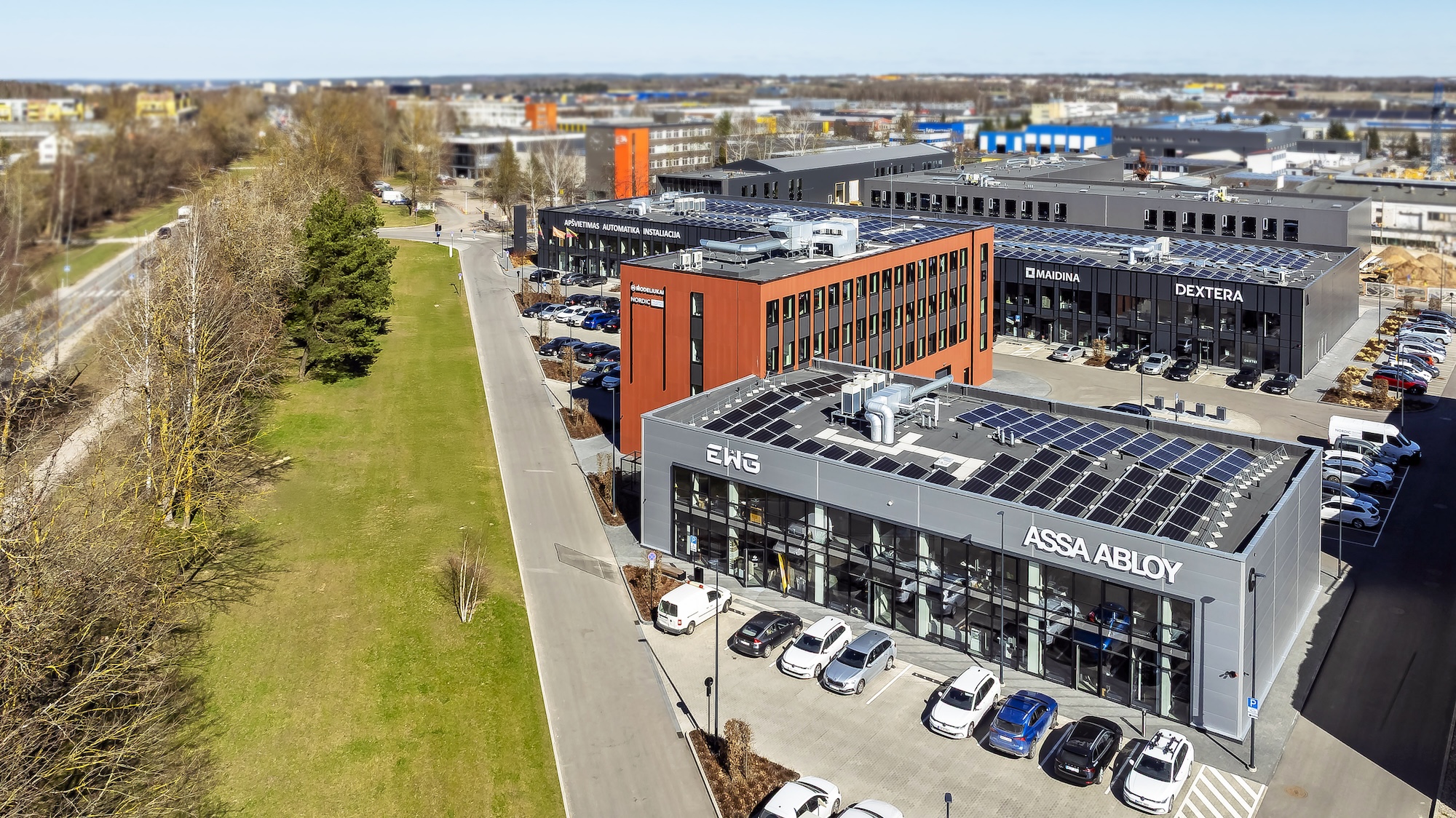
“e-market city”, an online and wholesale shopping town located in a business-friendly location at the intersection of Eišiškių pl. and Geologų Street, is rapidly approaching the end of its second phase. The final construction works are currently underway and the first tenants of the new phase are preparing to move in as early as June-July.
“The predominant floor areas of e-market city – ranging from 370 to 960 m² – are easily combinable and adaptable to a wide range of commercial activities. Existing and potential tenants appreciate the easy accessibility, high quality of construction and fitting-out, functional layout and solid neighbourhood, where well-known companies such as Assa Abloy, Dextera, Skuba, Skuba, Maidina, Šildymas plius, YE International, etc. are already located. The first phase is already 100% leased, while the second phase is still available – we invite you to get in touch”, says Remigijus Valickas, Commercial Real Estate Projects Manager at Ober-Haus.
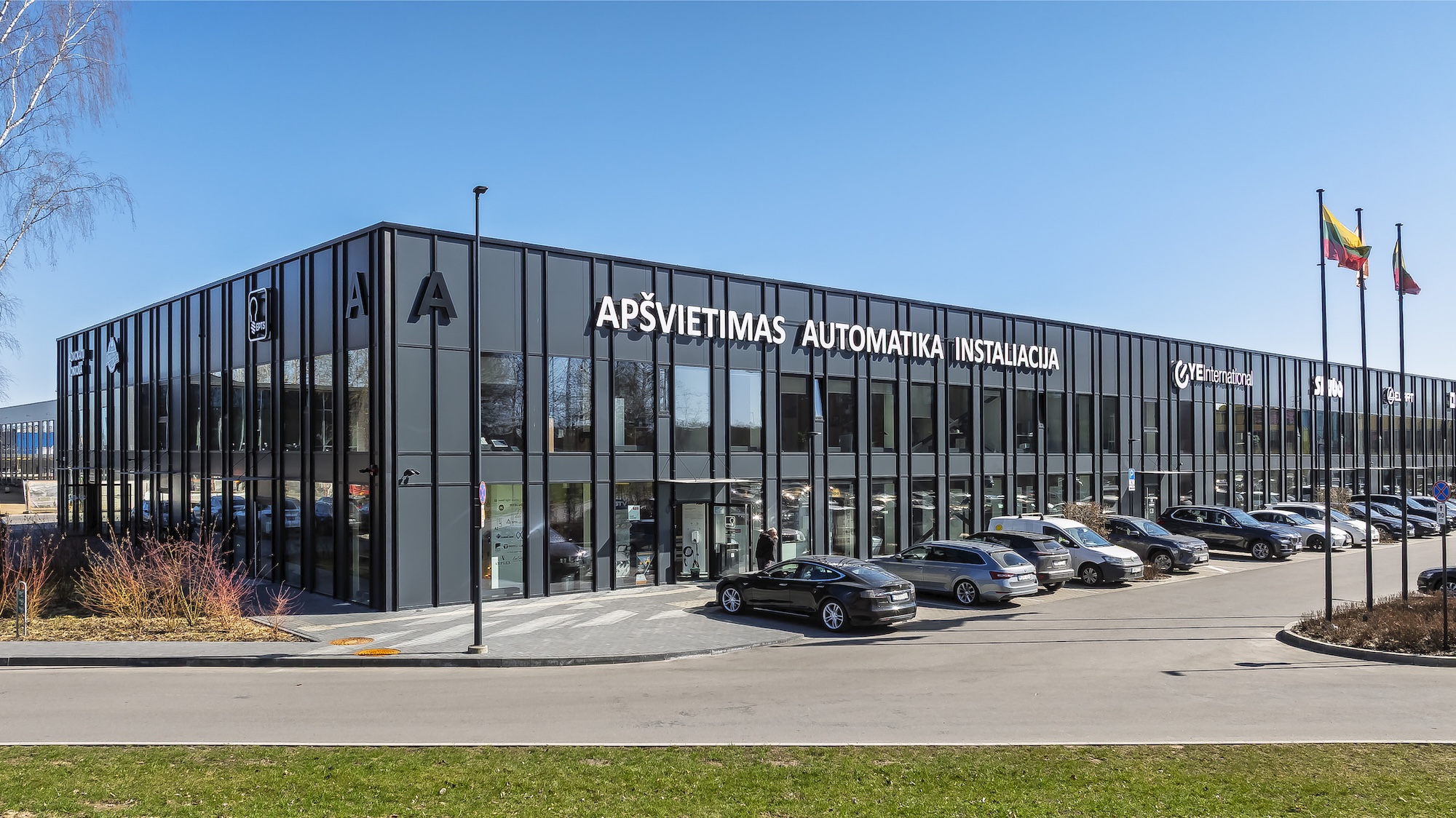
The project is being developed in three phases on an area of 3.9 ha. The total area of the buildings will exceed 20,000 m² and the total investment in the project will amount to more than EUR 25 million.
For more information about the project and leasing opportunities, visit www.emarketcity.lt