
 Search


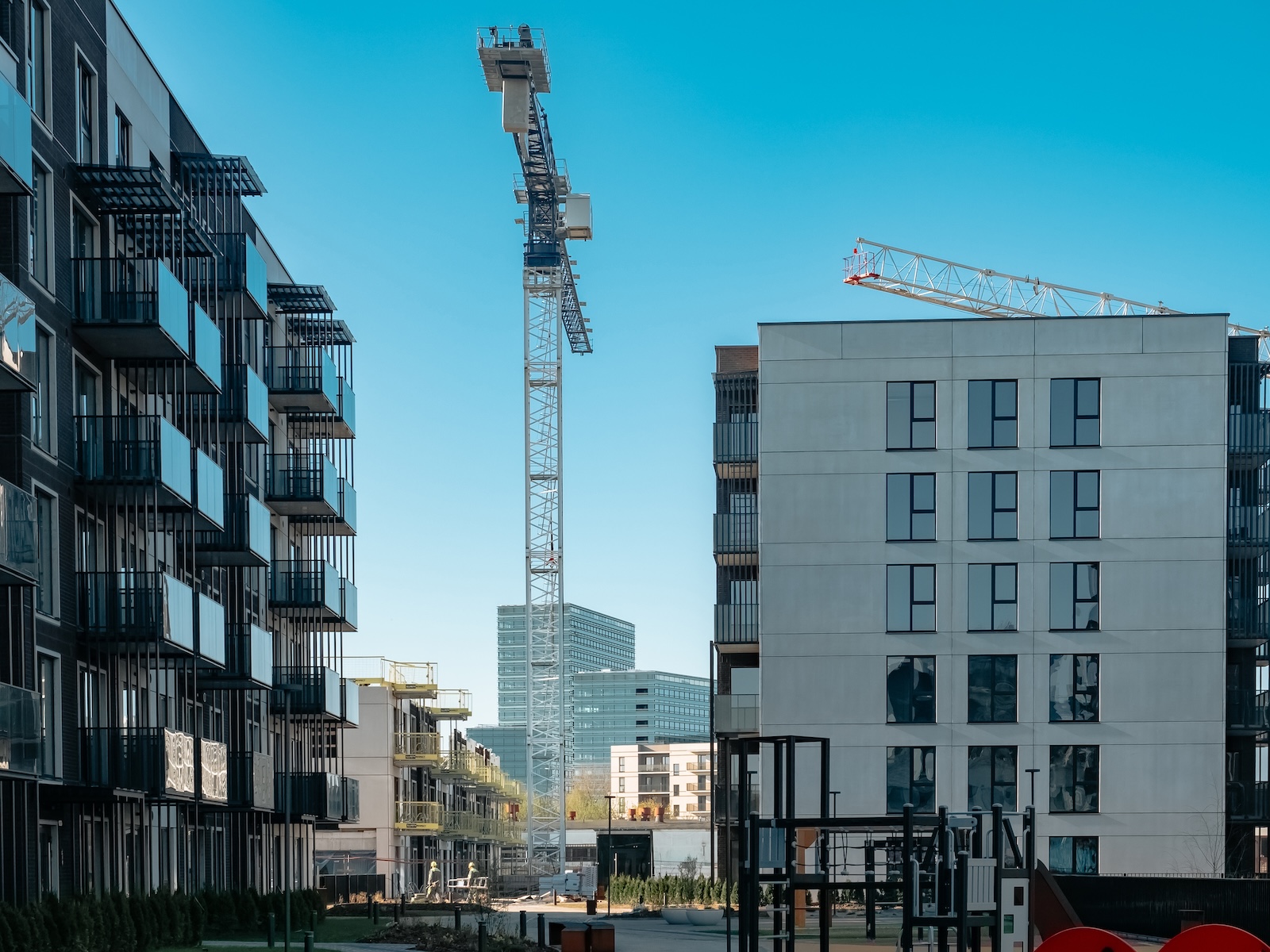
As 2025 approaches, the housing market continues to grow, with strong sales and increased activity. According to data from the State Enterprise Centre of Registers, an average of 3,200 apartments and 1,200 houses were registered for sale in Lithuania each month in the third quarter of this year, which is 22% and 16% more than in the same period last year, respectively. During the first nine months of 2025, the housing market picked up in all major cities: There were 36% more housing transactions in Vilnius, 17% more in Kaunas, 19% more in Klaipėda, 27% more in Šiauliai, and 23% more in Panevėžys than during the same period in 2024.
Growing buyer activity continues to drive faster housing price growth. According to Ober-Haus data, annual apartment price growth in the country’s major cities reached 9.5% by the end of September 2025. In the third quarter of this year, apartment prices rose in all major Lithuanian cities: Vilnius (1.4%), Kaunas (2.2%), Klaipėda (1.9%), Šiauliai and Panevėžys (2.1% each). ‘It is likely that the pace of housing price growth will continue in the coming months, as conditions remain favourable – increasing buyer demand, improving access to financing, and continuing optimistic market expectations,’ says Edita Juočytė, Ober-Haus Investment and Analysis Project Manager.
According to E. Juočytė, the primary housing market in Vilnius remains highly active, with new apartment building projects launching continuously, indicating extremely high demand for new apartments. According to Ober-Haus data, 1,450 new apartments were sold and reserved in Vilnius’s primary apartment market during the third quarter of 2025 — twice the number sold during the same period in 2024 (approximately 720). On average, 475 new apartments have been sold per month in Vilnius’s primary market since the beginning of the year, indicating a steady increase in buyer interest and developer confidence in market prospects.
In Kaunas, according to Ober-Haus calculations, 330 new apartments were purchased directly from developers in the third quarter of 2025. This figure represents a 22% increase compared to the same period last year and a 70% increase compared to the second quarter of this year, when 199 apartments were sold. In Klaipėda, 175 new apartments were sold on the primary market during the same period — 1.5 times more than a year ago, and 10% more than in the previous quarter. ‘These results show that activity in the primary markets in both Kaunas and Klaipėda continues to grow, and buyer interest in new projects remains high,’ says E. Juočytė.
Since the end of last year, there has been a rapid decline in the number of new apartments being built in existing apartment buildings. According to Ober-Haus data, while there were around 1,300 new apartments on offer in the capital at the end of the third quarter of 2024, this number had fallen to 690 by the end of the third quarter of 2025, i.e. almost half. In Kaunas, at the end of the third quarter, the stock of unsold new apartments amounted to 220 apartments, or 38% less than a year ago, while in Klaipėda, on the contrary, the supply increased by 32% and amounted to about 80 new apartments. “With demand remaining high, the apartments currently offered for sale in the primary markets of Vilnius and Klaipėda could be sold in less than two months (on average in 1.4 months), and in the Kaunas market in about two months. This indicates an extremely rapid rate of absorption of newly built apartments and a still limited supply of new construction apartments,” says E. Juočytė.
According to data from the real estate advertising portal Aruodas.lt, apartment rental prices are rising steadily. In the third quarter of 2025, the average price of apartments offered for rent in Vilnius was €15.4/m² and was 5% higher than in the same period a year ago. In Kaunas, rental prices rose by 9% over the year, and in Klaipėda by 6%. The average prices of apartments offered for rent in these cities were €12.1/m² in Kaunas and €11.2/m² in Klaipėda, respectively.
Market participants view the changes to responsible lending provisions and the reduction of the initial deposit for first-time home buyers to 10% positively. They also view the reform of the second pension pillar, which creates more favourable conditions for using funds to purchase housing, positively. These changes give reason to expect market activity to remain strong in 2026. However, these changes will also mean that demand for housing will remain high and prices will continue to rise, albeit at a more moderate pace.
The second half of 2025 got off to a slow start for the Lithuanian commercial real estate investment market. According to Ober-Haus data, the value of acquired modern cash-flow commercial properties (office, retail, industrial and logistics) amounted to €48 million in Q3 2025.
‘Investment volumes in Q3 2025 were 34% lower than in the previous quarter but equivalent to the same quarter in 2024. However, investment transactions in Lithuania already amounted to €235 million in the first three quarters of 2025, which is slightly more than the total for 2024 as a whole,’ says Raimondas Reginis, Ober-Haus’s market research manager for the Baltic countries.
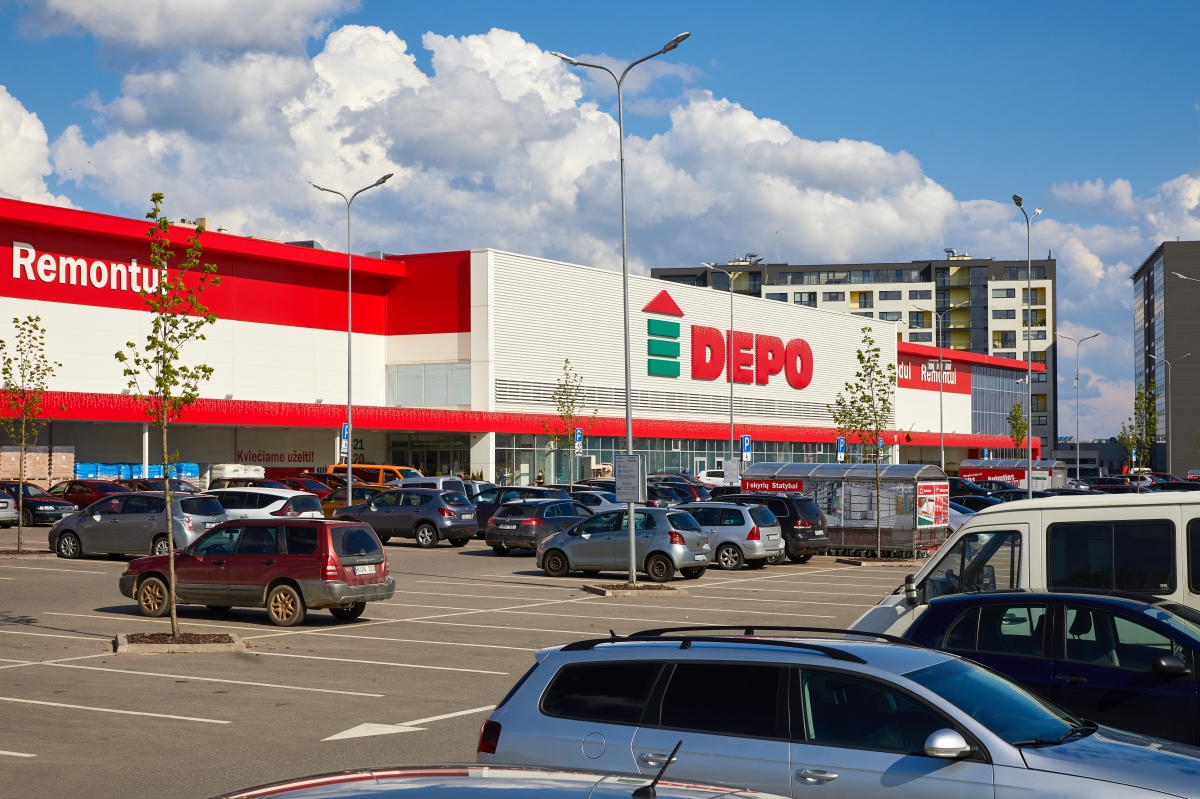
As with the first half of 2025, the largest share of investments went to retail properties, with 68% of all investments in Lithuanian commercial real estate being spent on acquisition during the third quarter. The high proportion of retail premises was largely determined by one of the largest transactions of the year. In August, Corum, a French real estate investment fund management company, announced that its Corum Origin fund had sold the Depo store in Vilnius. The French company had acquired the shopping centre in 2019 from the Latvian retail chain Depo and sold it for more than €31 million — 22% more than it had paid in 2019.
‘This was likely a sale-and-leaseback transaction with a repurchase option/obligation, whereby the acquired property is leased to the seller and then sold back to the tenant. Corum currently owns three more Depo stores in Lithuania,’ says R. Reginis.
According to Ober-Haus data, in Q3 2025, the office segment accounted for 21% of all commercial real estate investments in Lithuania. Several small deals were concluded in this segment, with the most significant agreement reached in Vilnius. In August, the investment company Braitin sold a 2,400 sqm administrative building on A. Domaševičiaus Street. The building, located in the city centre, was purchased by a local company.
The remaining 11% of investments were in industrial segment. Despite no significant transactions being concluded in this segment during the third quarter of the year, an analysis of the results for the first nine months shows that the number of transactions did increase significantly. An assessment of the results for the first nine months of 2025 shows that almost €66 million worth of real estate was purchased in this segment, accounting for 28% of all investments in commercial real estate in Lithuania. R. Reginis points out that, the total investment volume in warehousing and industrial-use facilities exceeded that of the office segment, which accounted for only 20% of investments during the same period — the worst indicator since 2012. The industrial property segment still has potential to show growth as several more deals have recently been concluded, which will be reflected in the fourth quarter’s figures.
Despite the growth recorded in commercial real estate investment in Lithuania, the total transaction volume — the number of transactions and the distribution by sector — suggests that investors remain extremely cautious. ‘This is particularly evident in the office segment, which in previous years was one of the main drivers of investment. In recent years, despite Lithuania’s stable business indicators, office tenants have mostly opted to make more efficient use of the space they already occupy rather than expand. Consequently, potential investors are cautious about the prospects of this segment and are seeking alternative investment opportunities,’ says R. Reginis.
The share of foreign investors in the Lithuanian market remains at a historic low, reducing the overall market liquidity. According to Ober-Haus data, the share of Lithuanian capital in investment transactions amounted to 90% in the first half of 2025.
‘However, since the Depo store in Vilnius was acquired by a Latvian-owned company in Q3, the share of local capital in investment transactions has decreased to 79%. Nevertheless, this indicator remains extremely high, similar to the levels seen in 2022–2024 (73–82%), when foreign capital began to withdraw from Lithuania. This suggests that, in the near future, local investors will continue to influence overall trends in the Lithuanian commercial real estate market,’ says R. Reginis.

The Ober-Haus Lithuanian apartment price index (OHBI), which follows changes in apartment sale prices in the five biggest Lithuanian cities (Vilnius, Kaunas, Klaipėda, Šiauliai and Panevėžys) increased by 1.2% in September 2025. The annual apartment price growth in the biggest cities of Lithuania was 9.5% (a 8.2% increase was recorded in August 2025).
In September 2025 apartment prices in Vilnius, Kaunas, Klaipėda, Šiauliai and Panevėžys increased by 1.3%, 1.3%, 1.1%, 0.7% and 0.3%, respectively, with the average price per square meter reaching EUR 2,850 (+37 EUR/sqm), EUR 2,002 (+25 EUR/sqm), EUR 1,863 (+21 EUR/sqm), EUR 1,242 (+8 EUR/sqm) and EUR 1,219 (+3 EUR/sqm).
In the past 12 months, the prices of apartments increased in all the biggest cities in the country: 8.9% in Vilnius, 11.6% in Kaunas, 9.1% in Klaipėda, 9.2% in Šiauliai and 9.0% in Panevėžys.
“With positive activity indicators in the country’s housing market, the rate of housing price growth in major cities continues to increase. According to data from the State Enterprise Center of Registers, 16% more houses and apartments were purchased in September 2025 than in the same month the previous year. The housing market has been in a recovery phase for over a year now, with both sellers and buyers feeling optimistic, and the annual rate of apartment price growth has reached its highest level since mid-2023.
During the first quarter of this year, apartment sales prices in the country’s major cities rose by 1.5%. In the second quarter, prices increased by 3.6%, and by another 3.1% in the third quarter. With housing prices rising rapidly, the older housing segment is attracting considerable interest from buyers due to its affordable prices. It is therefore unsurprising that this segment is also experiencing the fastest price growth. For instance, in the first quarter of 2025, buyers paid an average of €102,000 for a two-room apartment in one of Vilnius’s most popular microdistricts, whereas in the third quarter of this year, the average price was €113,000. In Kaunas, the average price paid for such apartments was €88,000 in the third quarter of this year (compared to €79,000 in the first quarter of 2025), while in Klaipėda it was €78,000 (compared to €74,000 in the first quarter of 2025),” said Raimondas Reginis, research manager for the Baltics at Ober-Haus.
Full review (PDF): Lithuanian Apartment Price Index, September 2025

The Ober-Haus Lithuanian apartment price index (OHBI), which follows changes in apartment sale prices in the five biggest Lithuanian cities (Vilnius, Kaunas, Klaipėda, Šiauliai and Panevėžys) increased by 1.1% in August 2025. The annual apartment price growth in the biggest cities of Lithuania was 8.2% (a 7.2% increase was recorded in July 2025).
In August 2025 apartment prices in Vilnius, Kaunas, Klaipėda, Šiauliai and Panevėžys increased by 1.2%, 0.9%, 0.8%, 1.5% and 1.8%, respectively, with the average price per square meter reaching EUR 2,813 (+33 EUR/sqm), EUR 1,977 (+18 EUR/sqm), EUR 1,842 (+14 EUR/sqm), EUR 1,234 (+18 EUR/sqm) and EUR 1,216 (+22 EUR/sqm).
In the past 12 months, the prices of apartments increased in all the biggest cities in the country: 7.4% in Vilnius, 10.5% in Kaunas, 8.2% in Klaipėda, 8.4% in Šiauliai and 9.6% in Panevėžys.
“The country’s housing market is currently enjoying its busiest period in three years. Mortgage interest rates have returned to levels last seen in September 2022, and the total volume of borrowing has reached an all-time high. According to data from the Bank of Lithuania, the average interest rate on new housing loans in July was 3.64%, and the value of new housing loans granted that month exceeded €300 million for the first time in history, reaching €323 million.
This rapid growth in the volume of new housing loans is not only due to buyers returning to the loan market, but also to an active housing market and rising house prices. According to data from the State Enterprise Centre of Registers, 15% more houses and apartments were purchased in August 2025 than in the same month the previous year. This year’s housing market activity indicators are second only to those of 2021.
The fairly rapid recovery of the housing market is creating extremely favourable conditions for faster growth in housing sales prices. For instance, the annual growth in apartment prices in Kaunas has already surpassed 10%, with other major cities in the country approaching similar figures. Based on recent trends, it is highly likely that the annual growth in apartment prices in the country’s major cities will exceed the growth in residents’ wages in the third quarter of this year. In this situation, some prospective homeowners will have to lower their expectations and consider more affordable housing options, such as cheaper or lower-quality properties. This is particularly pertinent for those whose incomes are not growing, or are growing much more slowly than housing prices,” said Raimondas Reginis, research manager for the Baltics at Ober-Haus.
Full review (PDF): Lithuanian Apartment Price Index, August 2025
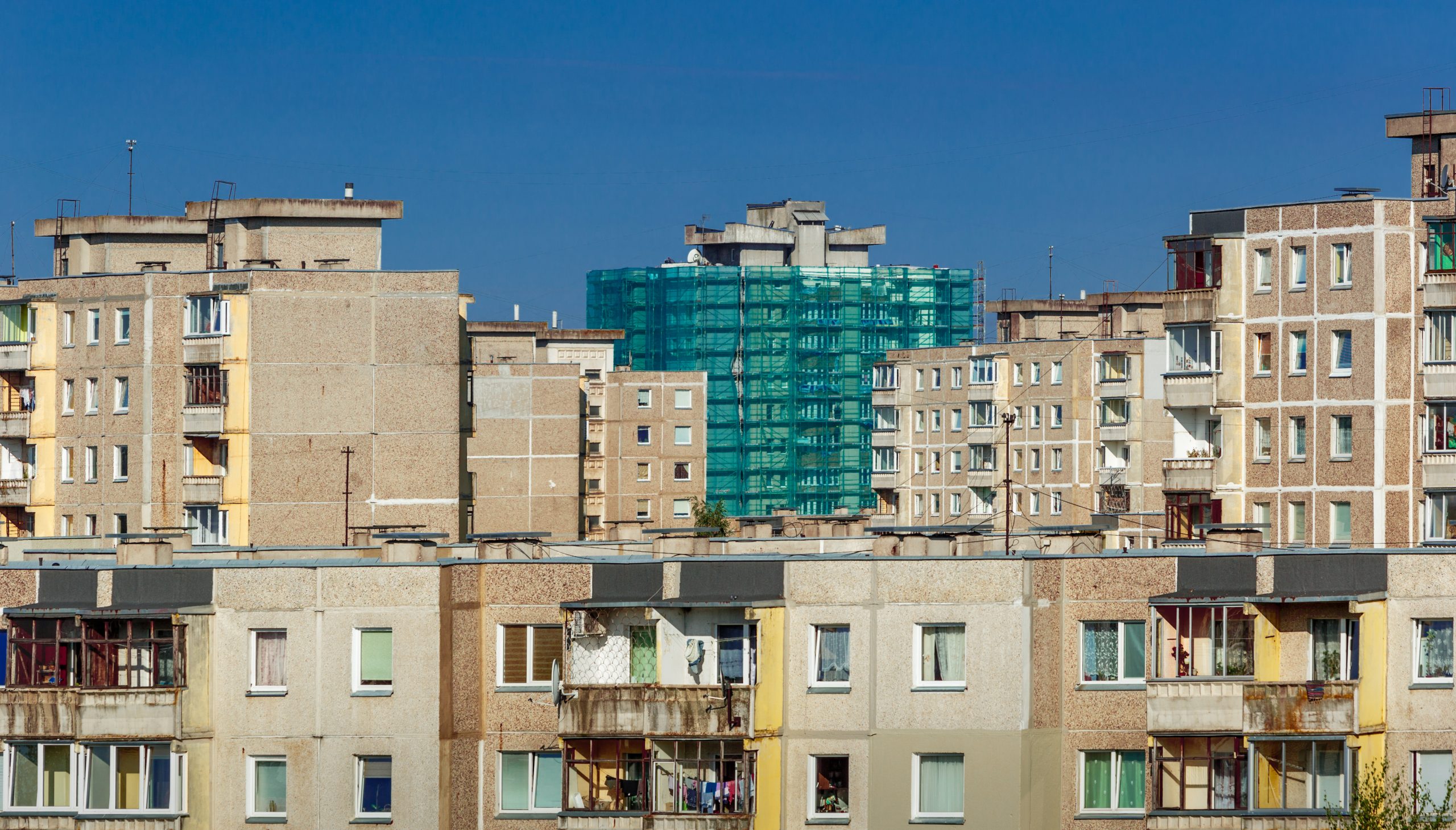
The Ober-Haus Lithuanian apartment price index (OHBI), which follows changes in apartment sale prices in the five biggest Lithuanian cities (Vilnius, Kaunas, Klaipėda, Šiauliai and Panevėžys) increased by 0.7% in July 2025. The annual apartment price growth in the biggest cities of Lithuania was 7.2% (a 6.7% increase was recorded in June 2025).
In July 2025 apartment prices in Vilnius, Kaunas, Klaipėda, Šiauliai and Panevėžys increased by 0.4%, 1.7%, 0.7%, 0.3% and 0.1%, respectively, with the average price per square meter reaching EUR 2,780 (+12 EUR/sqm), EUR 1,959 (+33 EUR/sqm), EUR 1,828 (+12 EUR/sqm), EUR 1,216 (+4 EUR/sqm) and EUR 1,194 (+2 EUR/sqm).
In the past 12 months, the prices of apartments increased in all the biggest cities in the country: 6.3% in Vilnius, 9.4% in Kaunas, 7.3% in Klaipėda, 7.3% in Šiauliai and 7.6% in Panevėžys.
“The latest market data shows that the pace of recovery in the country’s housing market is not slowing down. In July this year, Lithuania recorded the highest number of home purchase and sale transactions since late 2021. According to data from the State Enterprise Centre of Registers, 17% more houses and 35% more apartments were purchased in July this year than in the same month in 2024.
Clearly, the recovery of the housing market is being driven by improved access to loans, with a record number of new housing loans continuing to be issued. According to data from the Bank of Lithuania, the volume of new housing loans granted in the country exceeded €270 million for the fourth consecutive month.
The housing market’s rapid recovery in 2025 has also impacted the rate of price growth. While the annual growth in apartment sales prices in the country’s major cities was 3.6% at the end of 2024, it was already twice as high (7.2%) in July this year. This is also the highest annual growth rate since June 2023. Faster growth in apartment prices is observed in all major cities in the country, but the housing market in Kaunas has been particularly notable this year. Here, apartment prices began rising more rapidly in March, and by July, annual price growth had exceeded 9%. The most significant price changes are observed in the old housing segment in residential areas. “This shows that, as the overall price level rises, buyers are looking for cheaper, more affordable housing,” said Raimondas Reginis, research manager for the Baltics at Ober-Haus.
Full review (PDF): Lithuanian Apartment Price Index, July 2025
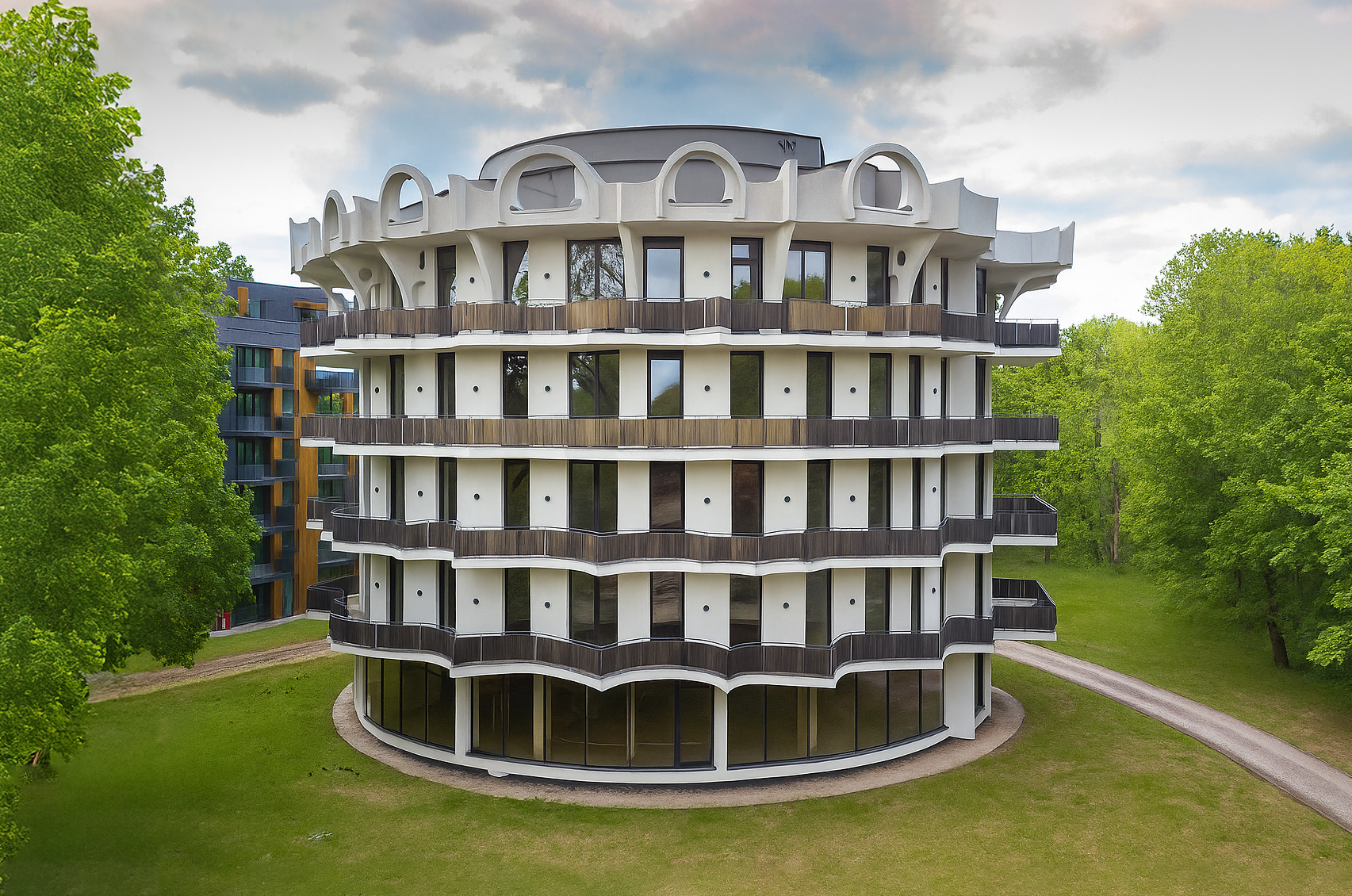
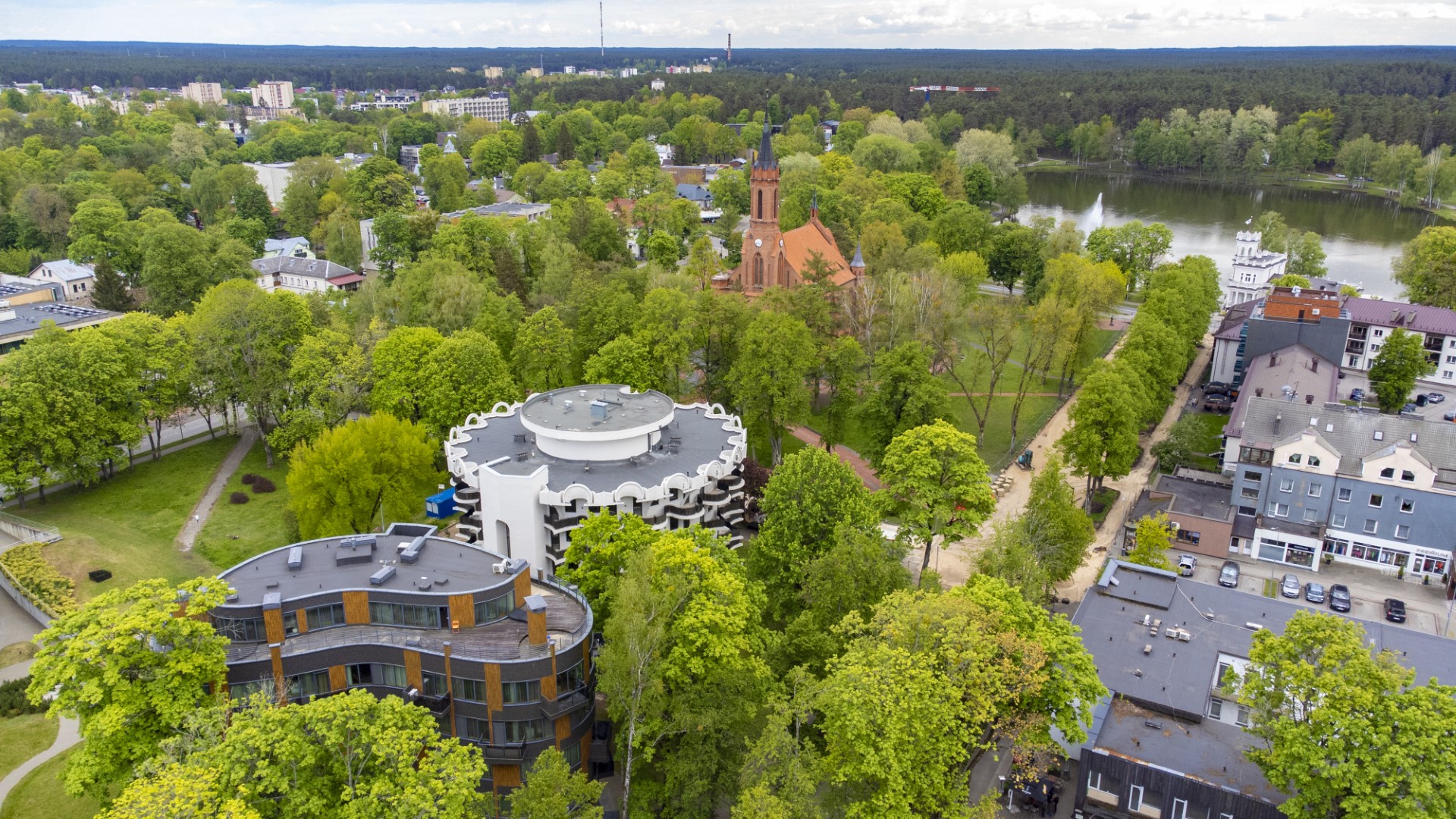
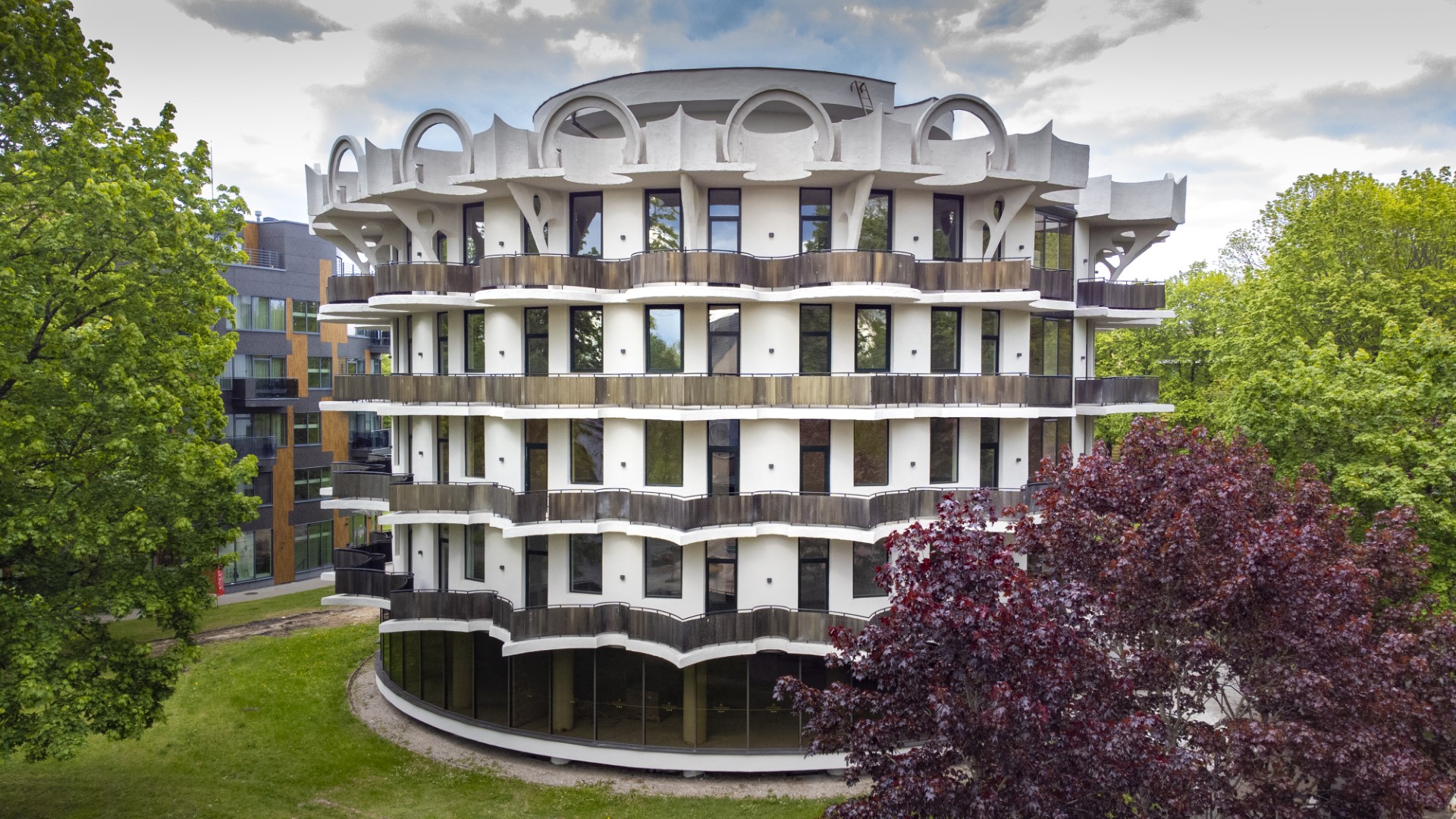
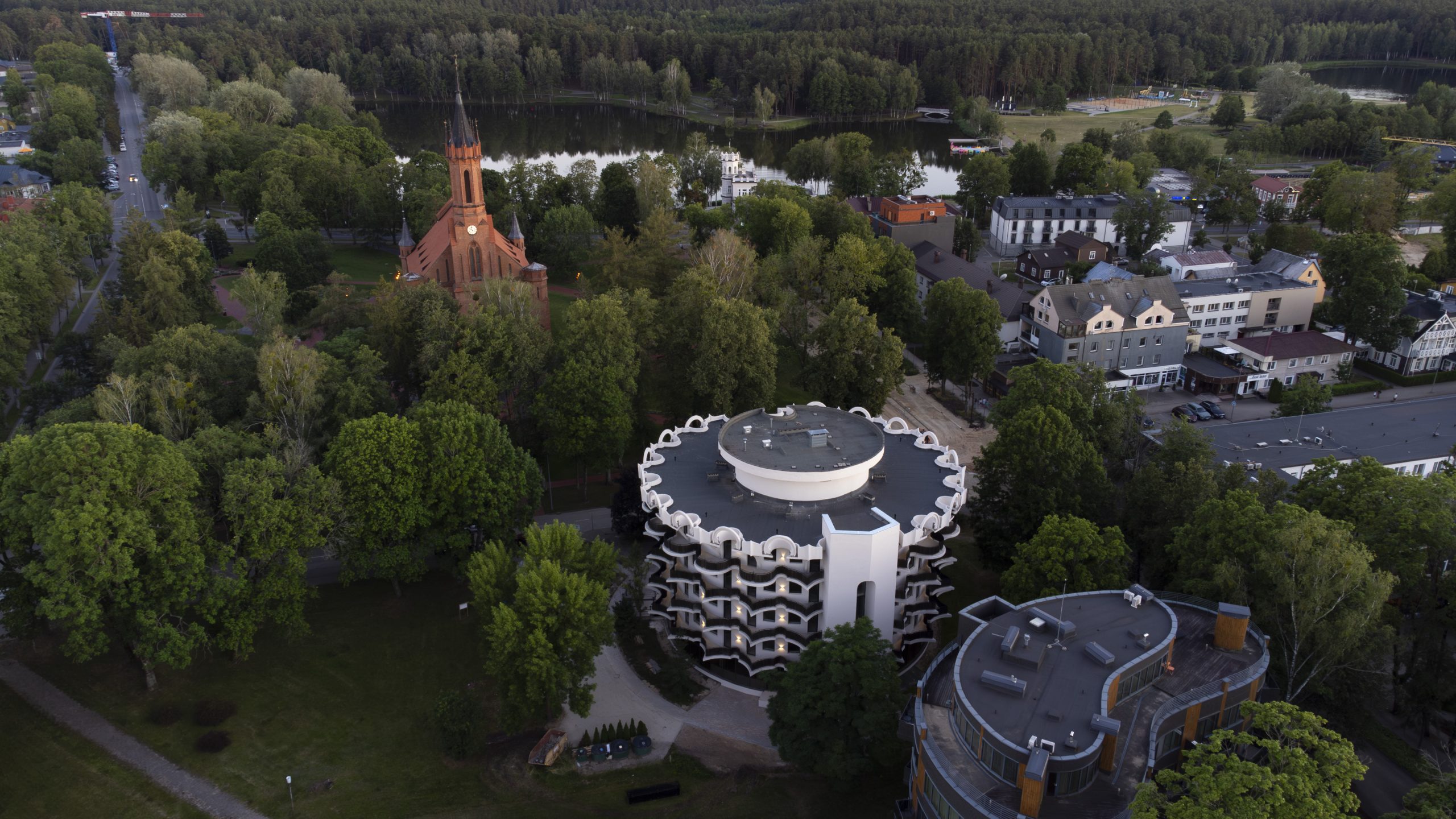
The unique Naujasis Pušynas project is opening its doors in the centre of Druskininkai on Taikos Street. Originally a hotel, the late modernist building has been renovated and adapted for residential use.
From hotel to modern apartments
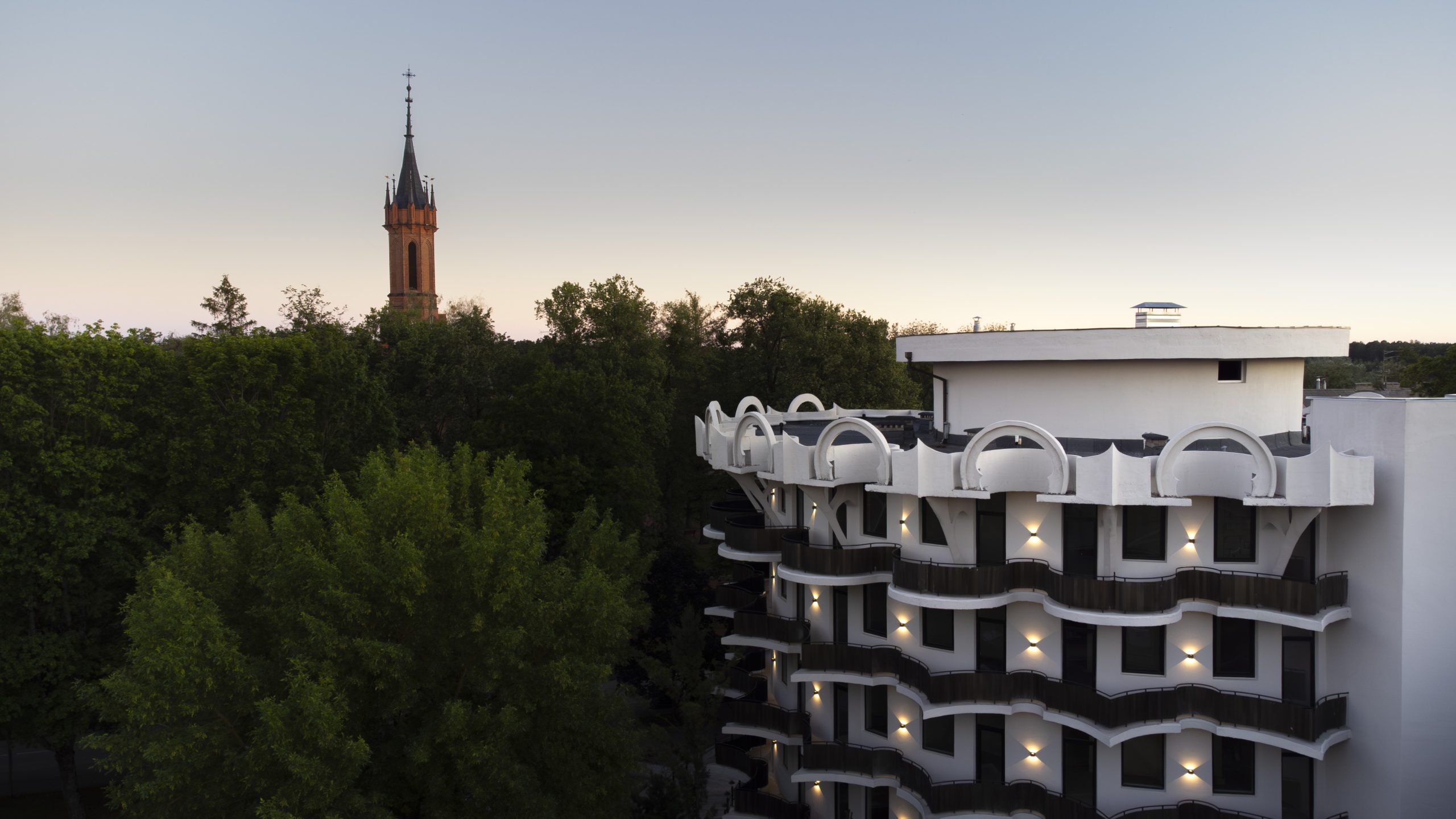
Designed in the 1980s by renowned architects Aušra and Romualdas Šilinskai, this late modernist building is reminiscent of a pine cone. Until 2021, it operated as the Pušynas hotel.
‘The renovation of the building began in 2022 and will be fully completed this year. All the infrastructure has been renovated and the authentic architecture has been preserved and adapted for modern living,’ says Ober-Haus sales representative Ričardas Klincaras.
Attractive apartments for living, leisure or investment
The project offers hotel apartments ranging from 13 to 61 m² in size, suitable for both personal use and rental. They are sold with partial finishes and prices start at €2,350/m². The building is already complete, so apartments can be purchased immediately and ownership documents processed.
‘This is not only an exceptional place to live, but also a very attractive investment. It is a unique opportunity to purchase real estate in a building of exceptional architecture in the heart of the resort. All the most important attractions in Druskininkai are nearby, making it an excellent choice for living in or renting out,” says R. Klincaras.
A place where everything is within reach
Just a few hundred metres away are Lake Druskonis, spa centres, a water park, a musical fountain, restaurants and K. Dineika Park. The apartments offer views of the authentic neo-Gothic Druskininkai Church, which is illuminated at night.
The ground floor of the building comprises commercial premises ranging from 29 to 88 m² which would suit cafés, service providers and other businesses looking to set up in the centre of the resort.
The Naujasis Pušynas project is being implemented by UAB Druskininkų viešbutis Pušynas, with the Ober-Haus team handling sales and marketing.
For more information about the project, visit www.naujasispusynas.lt.
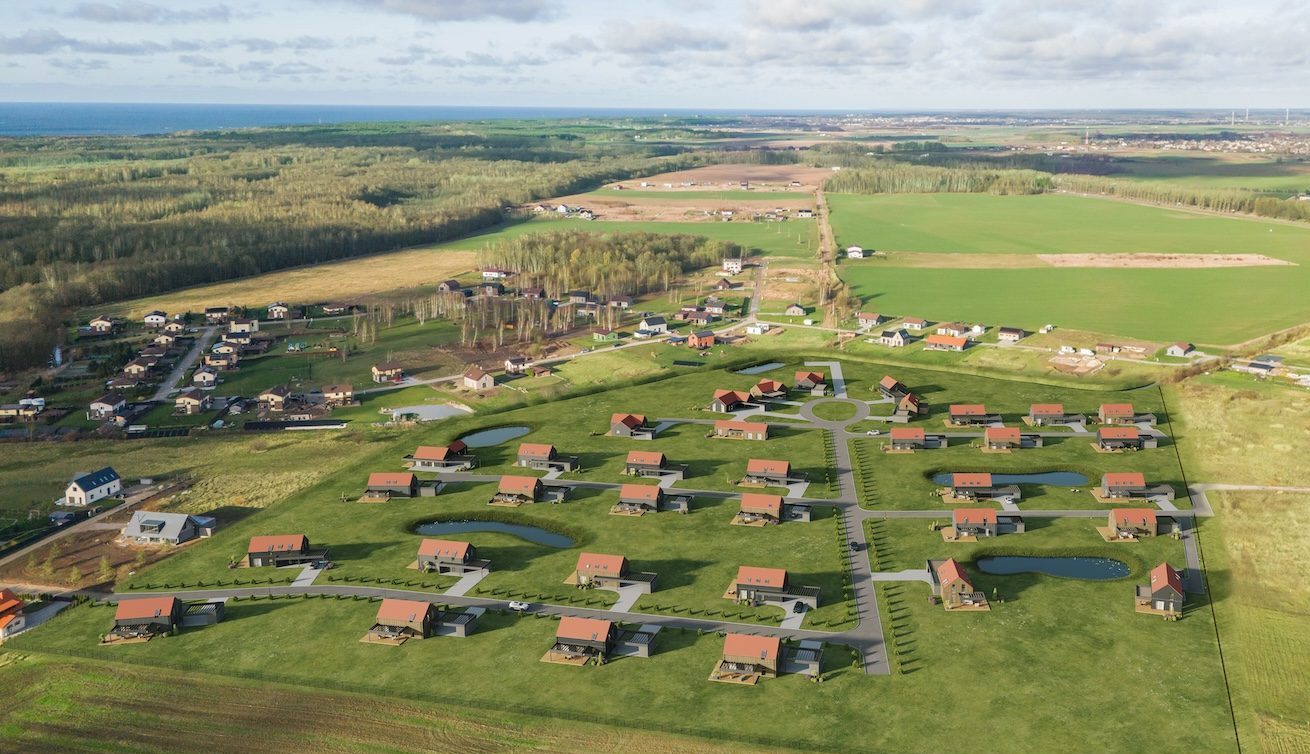
In the Klaipėda district, just a few minutes from Karklė and only 4 km from the sea, a new residential area called Prato Namai is under development. This 10-hectare neighbourhood of single-family homes is located near the Seaside Regional Park and is designed for those seeking a peaceful, high-quality life surrounded by nature.
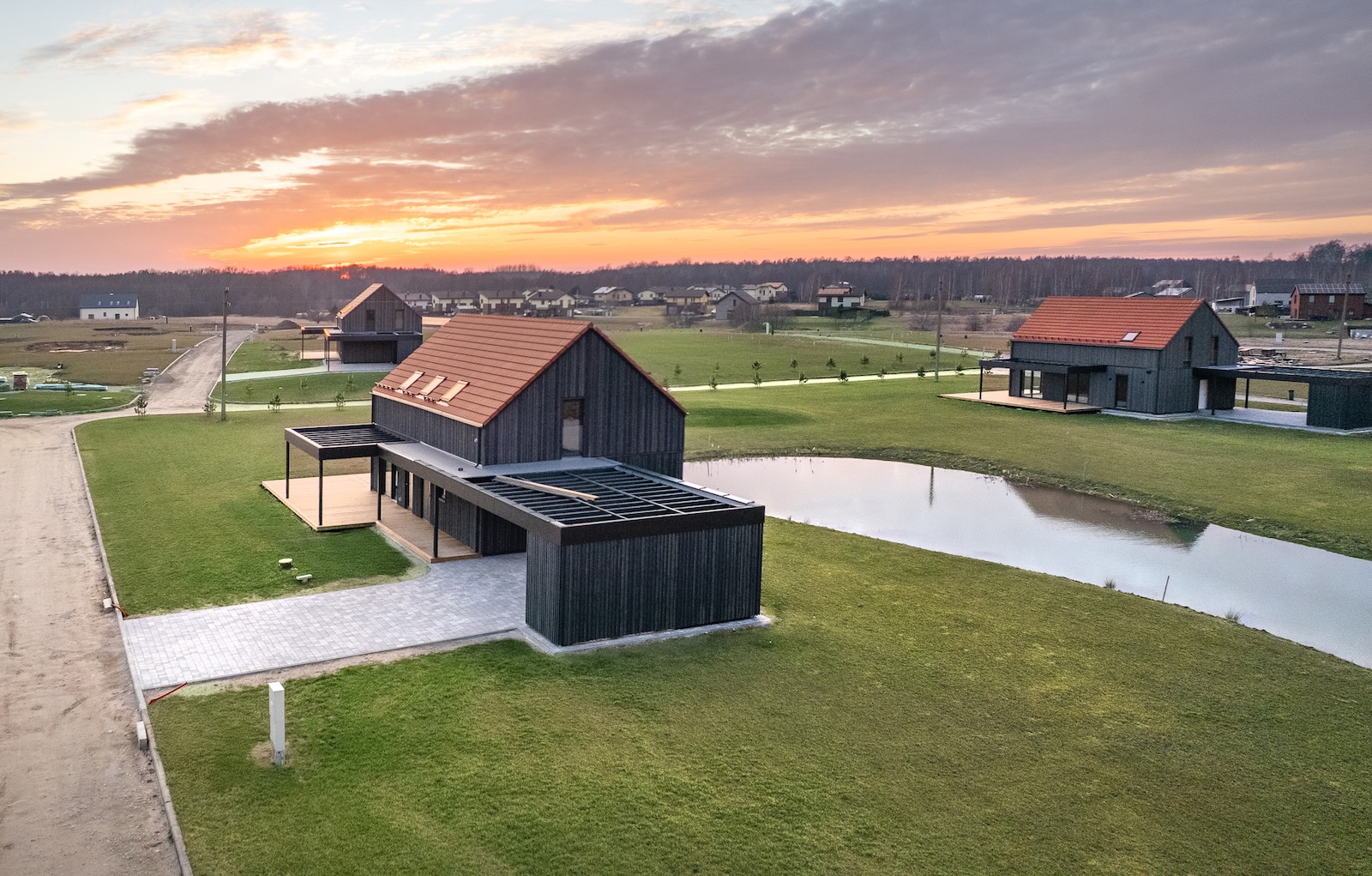
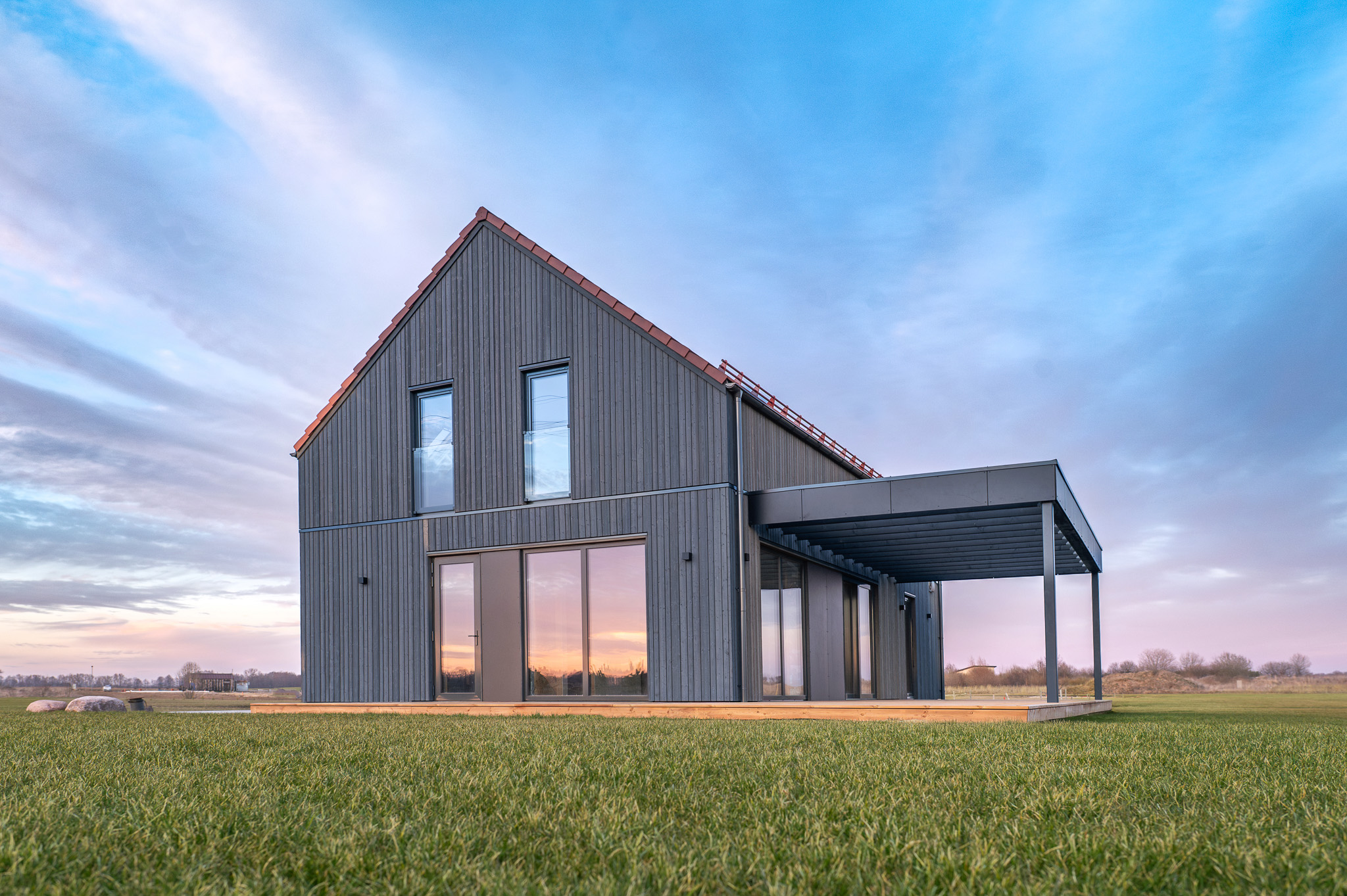
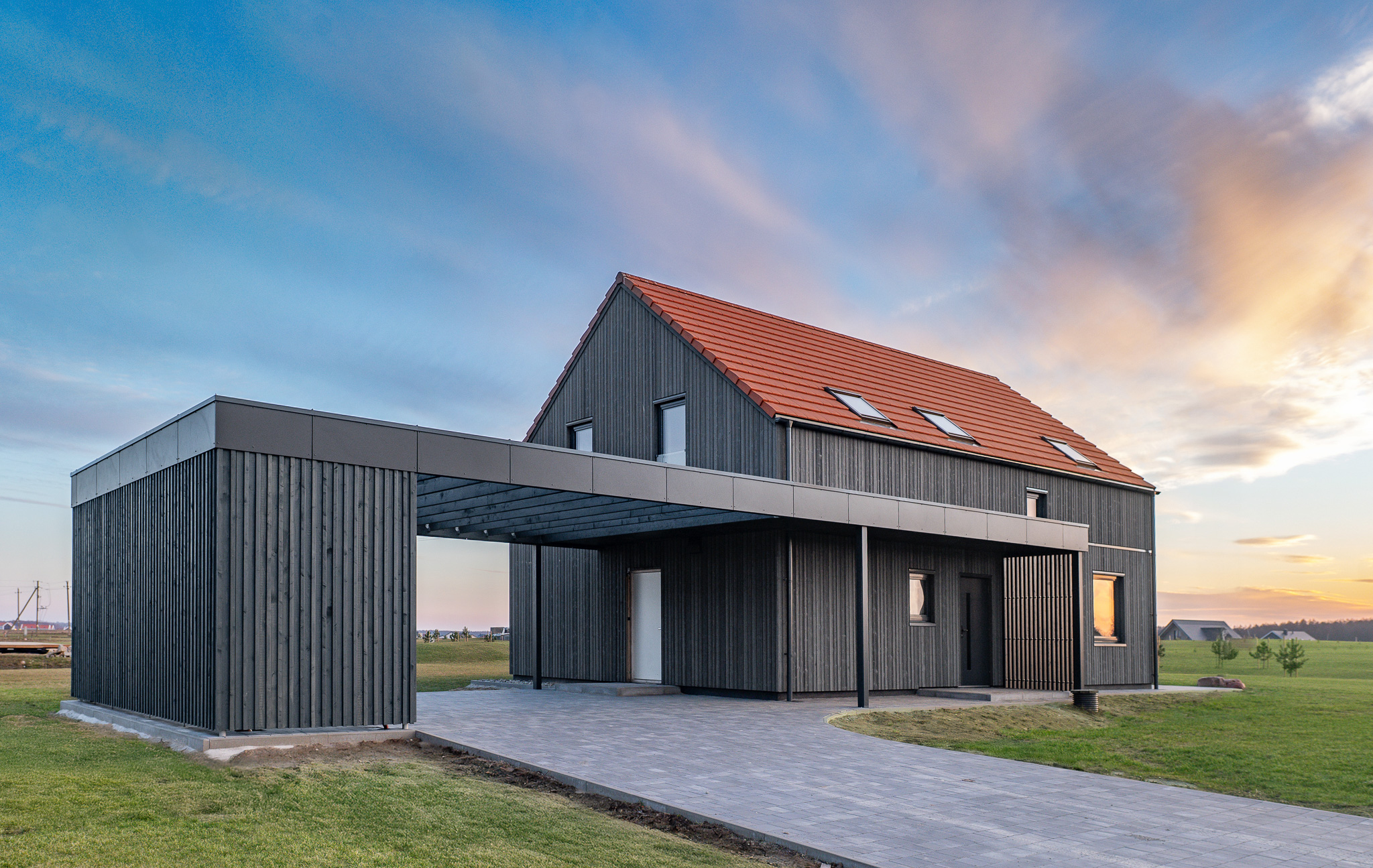
Energy-efficient A++ class panel houses are being built here to ensure low energy costs and a high level of living comfort. A total of 35 modern detached houses with partial finishing are planned for the neighbourhood: 27 single-storey houses with attics and eight single-storey houses. Each house has a spacious plot of at least 20 ares with a 65 m² wooden terrace and pergola. Decorative ponds are being created, streets are being paved and lit, and all engineering communications are being installed.
The uniqueness of the neighbourhood lies in its plots, which range in size from 20 to 47 ares — a rarity in today’s market. Large plots and continuous green spaces without dividing fences create a park-like atmosphere, giving residents more space, freedom and privacy. In addition, most of the plots border one of five decorative ponds,’ says Gintaras Dargužis, the project’s sales manager and Ober-Haus representative.
According to G. Dargužis, Prato Namai stands out for its excellent location and high quality of life. “This project pays special attention to high-quality materials and reliable solutions,” he says. The prefabricated houses are characterised by precise manufacturing, high-quality construction, and excellent thermal insulation properties. Modern A++ class houses with partial finishing ensure low energy costs and a high level of comfort for residents.”
The Ober-Haus team is responsible for the sales and marketing of the Prato Namai project.
Construction is scheduled to begin in 2024 and be completed by 2028.
For more information about the project, visit www.pratonamai.lt.


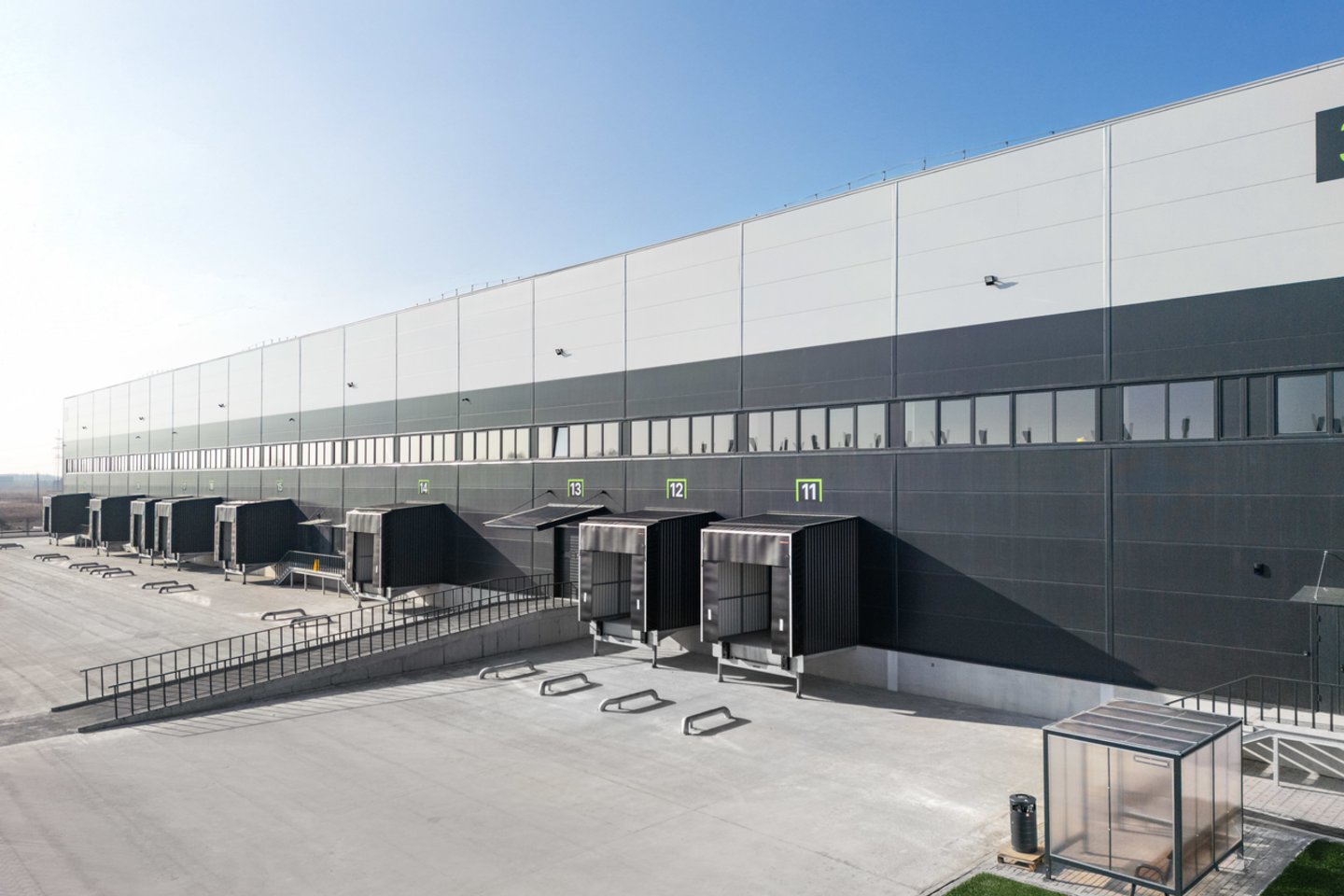
According to an Ober-Haus review, a decline in revenues is already being recorded for the period 2024-2025, despite the performance of warehousing and transport companies in Lithuania reaching record highs in 2023. According to the State Data Agency, the sales revenues (excluding VAT) of warehousing and storage companies in Lithuania in the first quarter of this year totalled EUR 70 million — 10.7% lower than in the same period of 2024.
“Meanwhile, investment in new warehouse construction remains very strong, suggesting that the sector is undergoing a period of renewal as older warehouses, built 15–25 years ago, often fail to meet the current needs of companies,” says Raimondas Reginis, research manager for the Baltics at Ober-Haus.
Following a period of record expansion in 2024, five new mixed-use projects were constructed in Vilnius and its surrounding area in the first half of 2025, with a total warehouse area of 70,500 sqm. Projects of various sizes and concepts were completed by companies such as Transekspedicija, Sirin Development, Darnu Group, Transtira and Galio Group. According to Ober-Haus estimates, the total warehouse space in Vilnius and its surroundings increased by 7% to 1,080,000 sqm.
In addition to traditional warehouses, companies are continuing to invest in multifunctional projects (stock-office), at least half of which is usually intended for storage. The rapidly growing number of new storage facilities, which are being developed not only by developers building for rent, but also by large companies implementing projects for their own needs, has recently increased the total area of vacant premises. During the first half of 2025, the vacancy rate for storage facilities in Vilnius and the surrounding area increased from 5% to almost 7%. “This is the highest level of vacant premises since 2011. Companies building large logistics centres for their own use are gradually freeing up space in older projects, while newly implemented and marketed projects often open with only partial leasing,” notes R. Reginis.
In the first half of 2025, two new warehouses were built in Kaunas city and its surroundings, adding almost 65,000 sq m to the modern warehouse market. At the request of furniture manufacturer Freda IV, YIT Lietuva completed construction of one of the largest warehouses in Lithuania in the Kaunas Free Economic Zone. Almost 50 million euros were invested in the 60,000 sq m warehouse and its administrative premises. Meanwhile, Sirin Development built a 12,000 sq m warehouse in the Kaunas Free Economic Zone for the beverage manufacturer Coca-Cola HBC Lietuva. Following these projects’ implementation, the total warehouse area in Kaunas city and its surroundings increased by almost 10% to 742,100 sq m. According to Ober-Haus, the warehouse vacancy rate reached almost 4% in mid-2025.
No major warehousing projects have recently been implemented in Klaipėda city or its surroundings, with more investment being made in multifunctional projects instead. These projects are located near the city limits and main city streets and can be adapted very flexibly to meet the needs of tenants, offering premises suitable for offices, retail outlets, catering facilities and warehousing in various combinations. Examples of such projects include: “Acorn Business Park”, “Jūros miestas” and “Liepu Parkas”. Meanwhile, the freight transportation and logistics company Vlantana plans to invest in larger warehouses and is set to build two additional warehouses totalling around 40,000 sq m next to the warehouse complex managed by the Vilnius–Klaipėda highway. According to Ober-Haus, the total area of warehouse premises in Klaipėda city and its surroundings was 377,500 sq m in mid-2025, with over 7% vacant.
“Rental prices for warehouse premises in the Vilnius, Kaunas, and Klaipėda regions remained stable in the first half of 2025. Since the warehouse premises market is regularly supplemented with new space and many potential tenants are still cautious about expansion or renovation, the bargaining power of owners is currently limited,” says R. Reginis.
According to Ober-Haus calculations, in mid-2025, modern warehouse premises in the Vilnius, Kaunas and Klaipėda regions were most often offered for rent at 4.2–5.8 Eur/sq m, while older buildings were offered at 2.0–4.0 Eur/sq m. According to R. Reginis, similar trends are likely to persist in the warehouse premises sector in the second half of this year. This means that tenants will have a wide selection of premises and will remain in a strong bargaining position regarding leases.
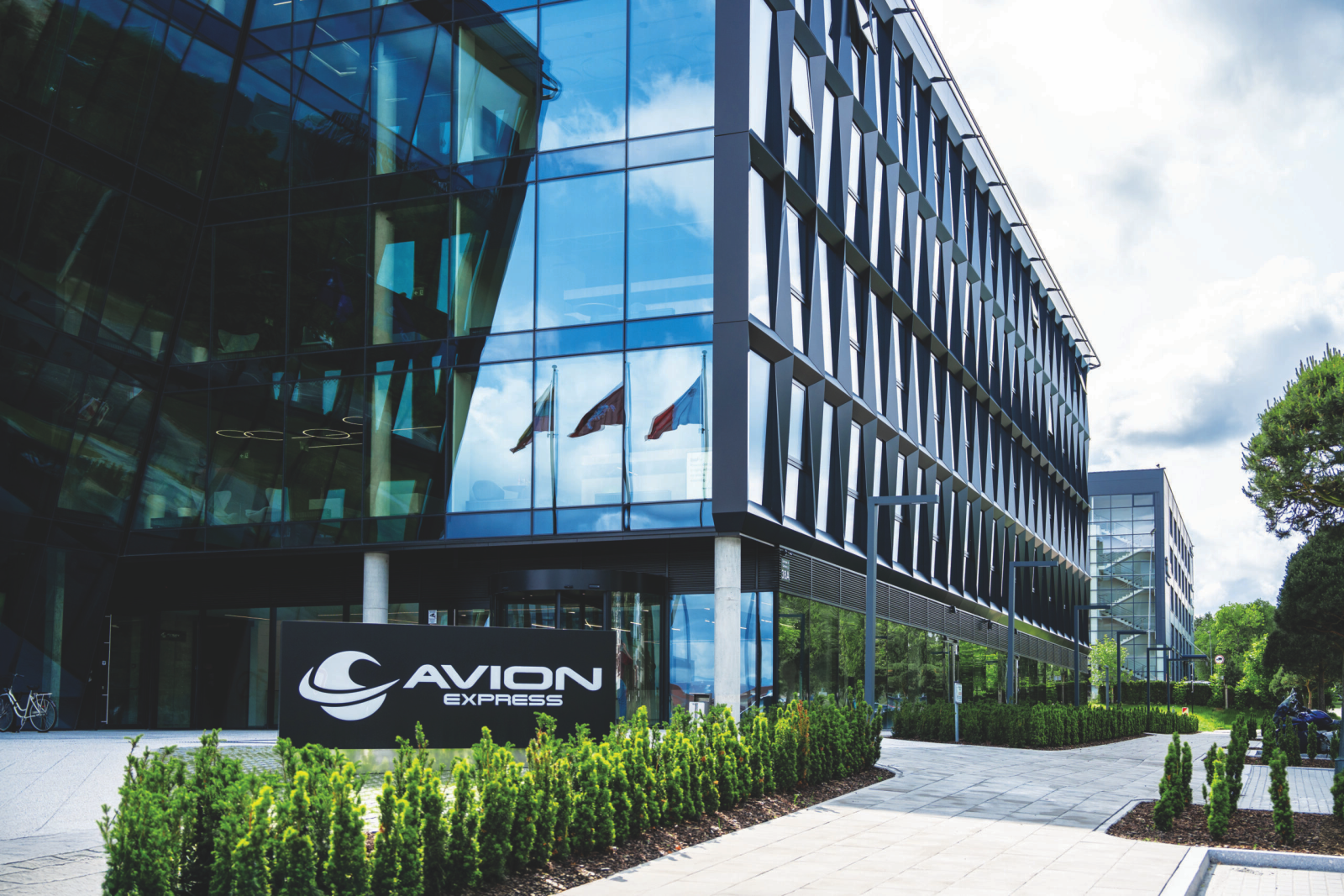
According to the Ober-Haus review, no major changes were recorded in the modern office sector in the first half of 2025, and it can be said that offices in the country’s largest cities are experiencing a relatively quiet period.
“Vilnius, the largest of the country’s major cities, has seen very little growth, with only one major new building opening in the first half of the year,” said Raimondas Reginis, research manager for the Baltics at Ober-Haus. The third office building has opened on the aviation corporate campus developed by Avia Solutions Group near Vilnius Airport, which houses the airline Avion Express. Tenants are already moving into the newly reconstructed building on Vilniaus Street, as well as the recently completed building on St. The new building on Vilnius Street is nearing completion. According to Ober-Haus estimates, these three projects have added a total of around 10,000 sqm of usable office space to the capital’s market. The total area of modern office space in Vilnius grew by less than 1% in the first half of this year, reaching 1,194,000 sqm.
“Following the increase in vacancy rates in 2023 and 2024, we have seen a slight decrease in vacancy rates this year, due to a modest increase in new office space supply,” points out Reginis. According to Ober-Haus data, the vacancy rate in the capital decreased from 8.8% to 8.5% in the first half of 2025. The vacancy rate for Class A offices was 7.3%, and for Class B offices it was 9.3%. The total amount of modern office space leased in existing buildings in the capital in the first half of 2025 amounted to 38,700 sqm, which is 43% more than in the first half of 2024.
Several major lease deals announced this year have helped to significantly increase occupancy in several existing office buildings. For example, the national development bank ILTE will move into the 3,600 sqm Asgaard Keys office building, which was built in 2018, while the Finance and Accounting Department of the Lithuanian Armed Forces has leased approximately 2,400 sqm of space in the S28 business centre on Savanorių Avenue.
The relatively fast growth in office vacancy rates in recent years has stabilised rental prices. This is why they remained unchanged in the first half of 2025, with class B offices mostly offered at EUR 10.0–15.5/sqm and class A offices at EUR 16.0–20.0/sqm. “It is likely that, over the next 6–9 months, tenants will put pressure on rental prices, as a wave of new, large business centres is expected to open in the capital soon”, says an Ober-Haus representative.
Kaunas has also seen a modest expansion of offices in recent years. For instance, no new projects were constructed in 2024, and only two modest new projects were completed in the first half of this year (on Veiverių Street and Savanorių Avenue), offering space for commercial and administrative purposes. According to Ober-Haus estimates, the total area of modern office space in Kaunas amounted to 248,400 sq m by the middle of this year. The vacancy rate in Kaunas increased from 3.7% to 4.4% in the first half of 2025. “From the end of 2022, the vacancy rate in this city will remain stable at around 4%, as the development of new projects is not abundant and the market is able to absorb the newly available space,” says Reginis.
According to an Ober-Haus representative, the projects currently under development should bring changes to the Kaunas market. For example, the large Hermanas business centre is under construction in the Nemunaičiai district and will offer around 10,000 sqm of office space by the end of this year or the beginning of next year. Two more projects are under construction on Savanorių Prospekt, which will offer around 10,000 sqm of office space by 2026.
According to Ober-Haus, the asking rents in the newest, top-class Kaunas business centres are currently around €16.0–19.0 per sqm. In Class B buildings, rents are typically EUR 10.0–14.0 per sqm.”
“The Klaipėda office market did not receive any new space additions in the first half of this year, so the total area of modern office space remained unchanged at 82,800 sq m,” says R. Reginis. ‘Taking into account the fact that office development in this city remains sluggish — only three new projects offering the market about 6,600 sq m of new office space were implemented in the period from 2023 to 2024 — the vacancy rate in office buildings remains stable in general.’ According to Ober-Haus estimates, office vacancy in the port city increased from 5.9% to 6.1% in the first half of 2025.
Therefore, Klaipėda is looking forward to the completion of the Hanza business centre, which is being built in the Memelio miesto district. This business centre, which has almost 11,000 sq m of ground floor space, is expected to be completed at the end of this year or in early 2025, and will be leased by Swedbank for around 2,000 sq m. This exceptional project is expected to raise the bar for office rental prices, which have so far been up to EUR 15.0–16.0/sqm in typical office spaces in Klaipėda’s business centres.

The housing market continues to be boosted by loosening monetary conditions, positive population expectations and the outlook for price growth, as reflected in real transaction numbers. According to data from the State Enterprise Centre of Registers, an average of around 3,100 flats and 1,100 houses were registered for sale and purchase transactions per month in Lithuania in the second quarter of 2025, which is 27% and 17% more than in the same period of the previous year, respectively. Compared to the first quarter of this year, the total number of registered apartment and house transactions increased by 9% in Vilnius, 12% in Kaunas, 5% in Klaipėda and 4% in Šiauliai. In Panevėžys, housing market activity remained stable with 320 transactions in both quarters of the year.
The increasing activity of homebuyers creates favourable conditions for house price growth. According to Ober-Haus, apartment prices in the country’s major cities grew by 6.7% year on year at the end of the first half of 2025. In the second quarter of this year, apartment prices increased in all major Lithuanian cities: by 1.4% in Vilnius, by 3.3% in Kaunas, by 2.9% in Klaipėda, by 1.5% in Šiauliai, and by 2.1% in Panevėžys. Given the current housing supply/demand ratio and improving borrowing conditions, it is likely that moderate price growth will continue in the short term.
“Sales volumes of new apartments in the primary markets of major cities across the country in the first half of 2025 have kept buyers’ and developers’ sentiment upbeat,” says Edita Juočytė, Investment and Analysis Project Manager at Ober-Haus. According to Ober-Haus data, 1,253 new apartments were sold and reserved in the primary market of Vilnius in the second quarter of this year, which is twice as many as in the same period in 2024, when 596 apartments were sold. Moreover, this is the third consecutive quarter in which more than 1,000 new apartments have been sold in the capital.
In Kaunas, 198 new apartments were purchased directly from developers in the second quarter of this year — 23% more than in the same period last year — but compared to the first quarter of this year, sales of new apartments in Kaunas almost halved. According to Ober-Haus estimates, 160 apartments were sold on the primary market in Klaipėda in the second quarter — twice as many as a year ago, and 34% more than in the first quarter of this year.
“As buyer activity increases, the number of unsold new apartments in completed apartment blocks, known as the “warehouse”, is decreasing significantly. At the end of the second quarter of 2024, about 1,600 new flats were on offer in the capital’s built apartment blocks, but by the end of the second quarter of 2025, this number had dropped to 890 — almost halving,” says Juočytė. At the end of the second quarter of this year, the Kaunas warehouse consisted of around 300 new apartments, which is 34% fewer than a year ago. In contrast, the supply of unsold new apartments in Klaipėda increased by 50% to reach 100 apartments.
“At the current level of demand, we forecast that the vacant apartments offered for sale in the primary markets of Vilnius and Klaipėda could be sold in about two months, while in Kaunas it would take about four and a half months,” shares E. Juočytė. According to Ober-Haus, developers plan to build around 3,300 apartments in Vilnius, 680 in Kaunas, and 400 in Klaipėda in 2025.
According to Aruodas.lt, one of Lithuania’s largest real estate portals, there has been an increase in supply prices in the apartment rental market, though the rate of growth varies from city to city. In the second quarter of 2025, the average price of apartments for rent in Vilnius was €14.80 per square metre, which is 2% higher than in the same period a year ago. In Kaunas, rental prices increased by almost 13% year on year, while in Klaipėda they rose by 5%. The average prices of apartments for rent in these cities were EUR 12.1/m² in Kaunas and EUR 11.0/m² in Klaipėda.
“Favourable borrowing conditions and rising wages are improving people’s ability to buy a home. Improving housing affordability enables buyers to compete more actively for properties, often at higher prices. Given these trends, we forecast that house price growth in the country will continue in the near future”, says Juočytė.