
 Search


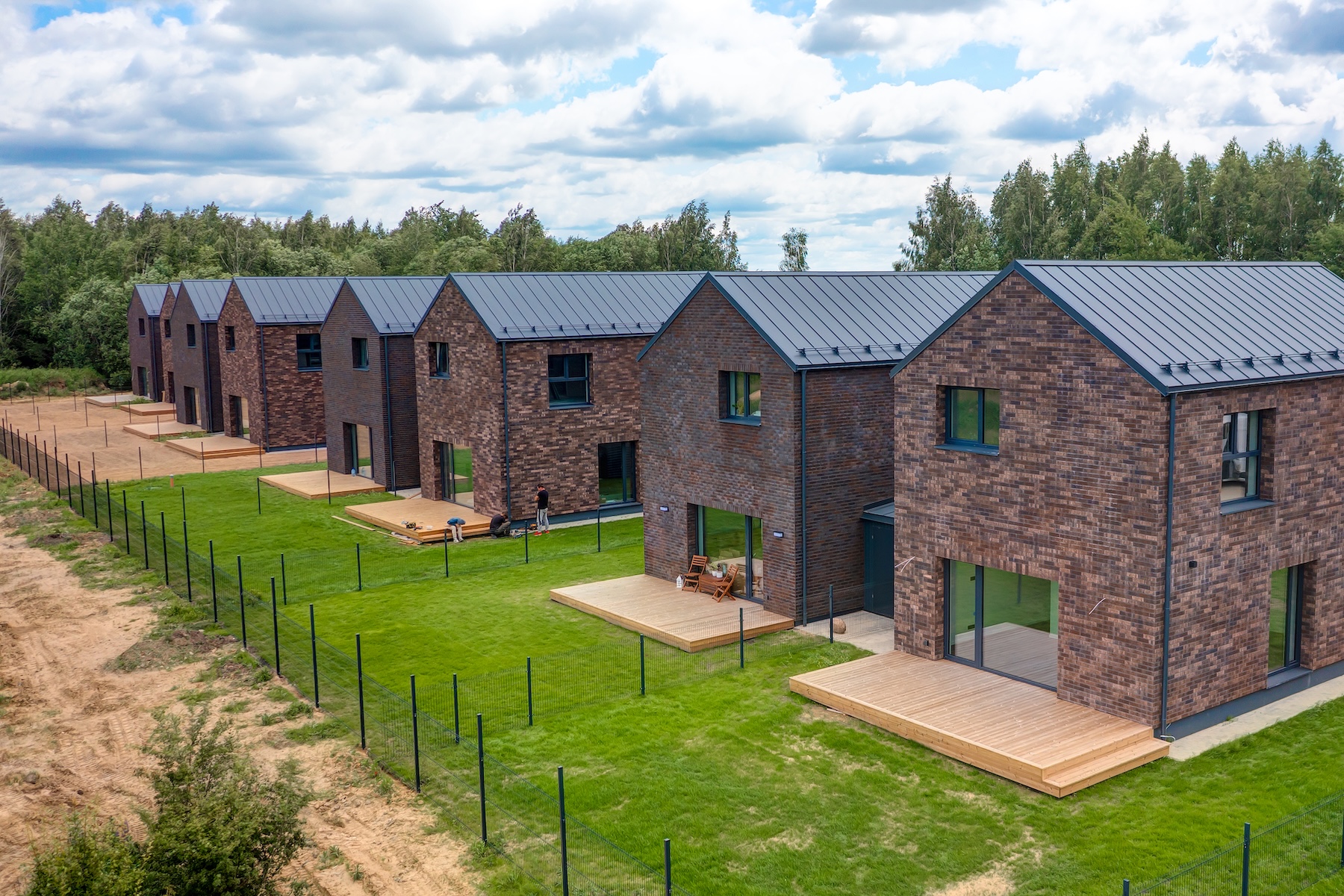
The Salininkų alėja semi-detached house project in Salininkai, Vilnius, sold by Ober-Haus, has been completed. It is a gated community of 18 A++ energy class houses. Construction began in spring 2024, and all the houses were built by the end of the year. Sales began in earnest in early 2025, and the project attracted considerable interest from buyers.
The project offered a choice of partially finished or fully furnished homes. The majority of transactions were for fully furnished homes. According to Jolanta Iselionienė, an expert in residential real estate at Ober-Haus, the fully finished option included interior finishing as well as various interior engineering and outdoor landscaping solutions. The carefully considered layout and complete interior fittings meant that residents could move in immediately, which, according to the expert, is becoming an increasingly important criterion for buyers.
Katerina Kempa, another Ober-Haus residential real estate expert, notes that installing show homes had a significant impact on sales. She says that buyers were able to see the spaces in person, evaluate the materials used and better understand the layout of the homes, helping them to make decisions faster.
One of the advantages of the project was the neighbourhood’s fully developed infrastructure. Once the houses had been built, pavements, a rainwater drainage system and street lighting were installed in the area and the neighbourhood was fenced off.
The Ober-Haus team was responsible for developing the concept, devising the sales strategy and implementing it — from buyer consultations to notary procedures.
The Ober-Haus team was responsible for developing the concept, devising the sales strategy and overseeing its implementation, from buyer consultations to notary procedures. ‘Our goal was to provide affordable homes and clearly communicate the value of different furnishing options to buyers to help them make rational decisions,’ says J. Iselionienė.
Project developer: UAB Astirex
Darius Tumas, Senior Investment Advisor at Ober-Haus
Article published on the Verslo žinios business news portal.
The second half of this year and 2024 are expected to see a rebound in the commercial real estate investment transaction market. Although foreign investors and the office segment remain inactive, the market as a whole is being driven by local players who have rediscovered commercial real estate as an investment opportunity against a backdrop of lower interest rates.
While it is perhaps premature to declare the Lithuanian commercial real estate investment market fully recovered, the statistics are positive and hint at broader trends.
According to Ober-Haus data, modern commercial real estate worth €183 million was purchased in Lithuania in the first half of 2024. This is almost twice as much as a year ago and close to the total for 2024. Almost half of this amount — €86 million — was spent on retail properties, while a third was allocated to warehouse and industrial buildings, a segment that has been performing strongly for some time. The market is encouraged not only by classic investments that generate stable income, but also by long-term development-focused investments.
The market is bolstered not only by traditional investments that generate stable income, but also by long-term investments geared towards development. One of the most prominent examples is the purchase of the Mykolas Romeris University building complex in Antakalnis by an investment fund for over €12 million. This investment is significant as it demonstrates a solid investor’s confidence in the future of the Lithuanian real estate market.
However, optimism is limited by two important factors: the office market remains weak, and foreign investors have likely departed for an extended period. Offices have been the driving force behind the commercial real estate market for many years, but they are currently facing sluggish tenant growth and a large supply of new space in the capital. Nevertheless, individual transactions are still taking place. Foreign investors, who previously accounted for more than half of the market, have lost interest since the start of the war. Their share of transactions reached a record low of 10% in the first half of 2025.
However, based on the last few months, it is reasonable to conclude that investors are returning to commercial real estate. According to Ober-Haus clients, changes in investment strategies are being driven by reduced borrowing costs, a corresponding decline in bond and financing yields, adaptation to the geopolitical situation and higher returns from commercial real estate. Let’s take a closer look at this.
As is well known, most of the commercial properties of various sizes that we see on the streets do not belong to the businesses operating in them, but rather to financial investors, such as funds, specialised companies, individuals or groups of individuals. It is no secret that private funds are usually invested in commercial real estate only up to the level required by banks, i.e. one-third of the property’s value or less. In lower-risk cases, such leveraged investment (e.g. a bank loan) currently pushes the established annual return of 7–8% into the double-digit zone for equity capital.
However, this trend was disrupted by the rapid rise in Euribor, which reached 4% in 2022. The overall increase in interest rates, combined with the bank’s margin, eroded almost all of the investment yield. Furthermore, property owners were reluctant to reduce the prices of properties for sale significantly at that time. These factors largely contributed to the decline in commercial real estate investment. However, since the beginning of 2024, rapidly falling interest rates and, more importantly, signs of stabilisation have made leveraged investment models extremely attractive again.
Conversely, money did not disappear from the market during that period; investors simply found alternatives. Some chose real estate abroad, while others opted for popular bond and crowdfunding offers. The maths were simple – why settle for single-digit returns from real estate when the aforementioned instruments were offering 10–14%? However, it now seems that this enthusiasm is waning, with bond and crowdfunding yields adjusting downward alongside interest rates in all capital markets. Some of the more high-profile stories of failure, including those related to real estate development financing, may also dampen enthusiasm further.
Finally, there is geopolitics to consider. It is difficult to argue that it has not only scared off foreign investors, but Lithuanian investors too. However, a year after the war began, Lithuanians were boldly investing in bonds to finance Lithuanian properties, which were offering returns that were several percent higher at the time. Paradoxically, in the event of war — which investors cited as the main reason for withdrawing from commercial real estate — other debtors financing real estate projects in Lithuania with bonds or crowdfunding platforms would also fail to meet their obligations. Put simply, it seems that investors have come to terms with our uncomfortable neighbourhood and are simply looking for the highest returns.
Of course, the strengthened market still lacks foreign investors, who would increase competition and liquidity. In a sense, the current situation resembles the period leading up to accession to the EU and NATO, when foreigners gradually discovered us thanks to profitability that was several times higher, which outweighed the initial concerns. Once again, local investors who know the region are enjoying higher returns and finding good investment opportunities with attractive yields.
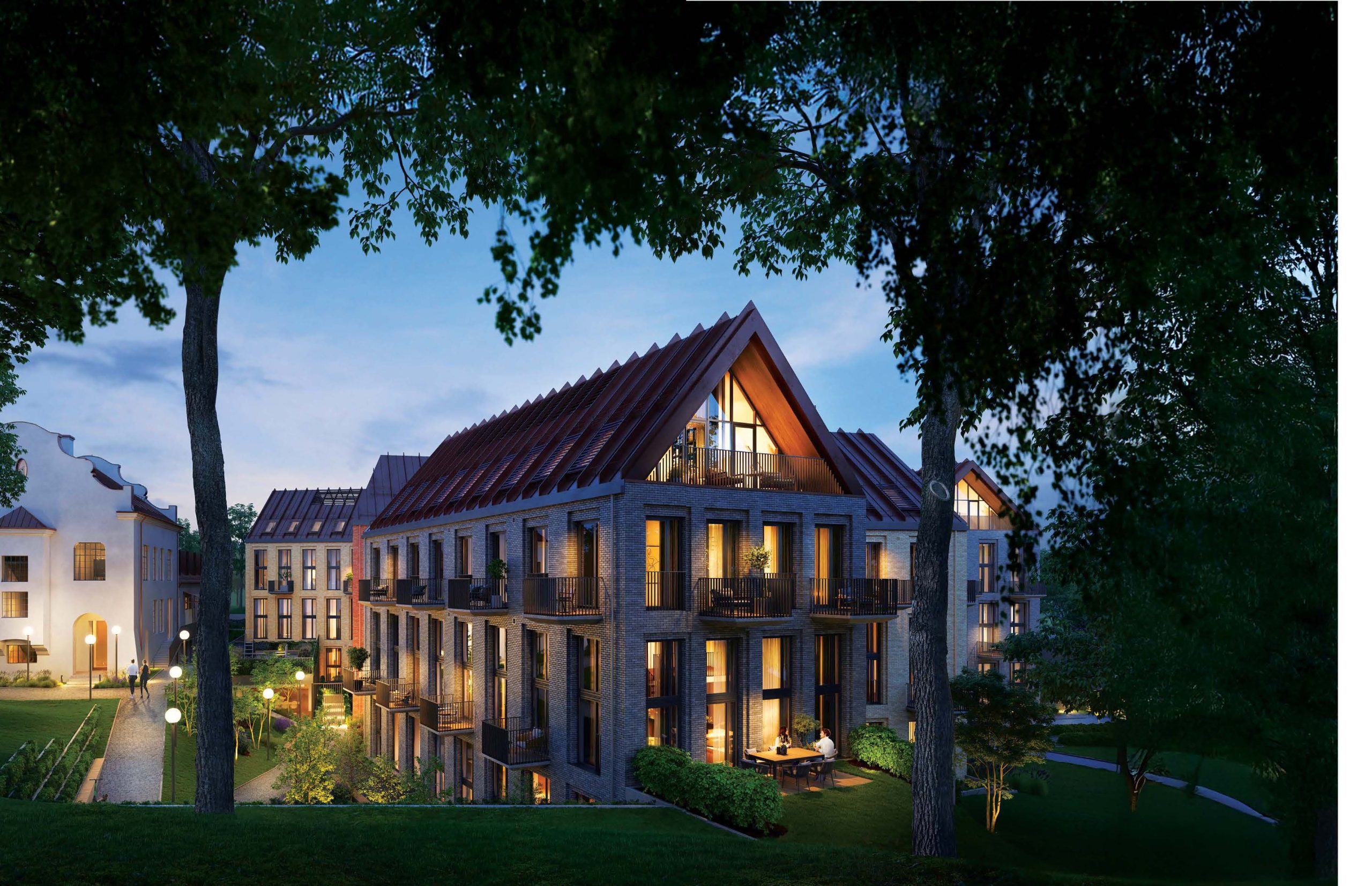
In the coming months, one of the most highly anticipated real estate projects will be completed in the southern part of the Old Town in the capital – the Vilniaus Džiazas complex on K. Vanagėlio Street. This development will comprise 60 exclusive apartments, a unique interwar administrative building that has been adapted to meet modern needs, a square named after the writer Ričardas Gavelis, new connections between historic districts and a distinctive atmosphere.
The history of Vilniaus Džiazas began in the summer of 2021 in the former DoArchitects studio in the Old Town. At that time, the complex between K. Vanagėlio and Drujos Streets was still known as Vanagėlio Namai (Vanagėlio Houses), but the project was set apart by the experience of developer Gediminas Turso, who once purchased the legendary Pylimo Street ‘egg’ from the residents of Užupis at auction, his artistic soul, and countless other details.
It is therefore not surprising that the name ‘Vilniaus Džiazas’, coined by the Ober-Haus team, immediately stuck to this complex. ‘On the one hand, it was a tribute to Ričardas Gavelis’s entire body of work and to a specific novel about the search for meaning among young Vilnius residents. On the other hand, the entire project team was constantly ‘jamming’ in search of something that would create a sense of timeless uniqueness for future residents,” says Sandra Grinkienė, Ober-Haus NT project manager.
Therefore, during the design phase, the layouts, exits to the terraces, proximity to the elegant interwar building and apartment furnishing solutions had to be revised several times, as did many other details. Those who worked with G. Tursa on this project will generally confirm thatVilniaus Džiazas was created with a focus on quality, comfort, timelessness and pride in everyday life. This led to improvisations in the search for these qualities.
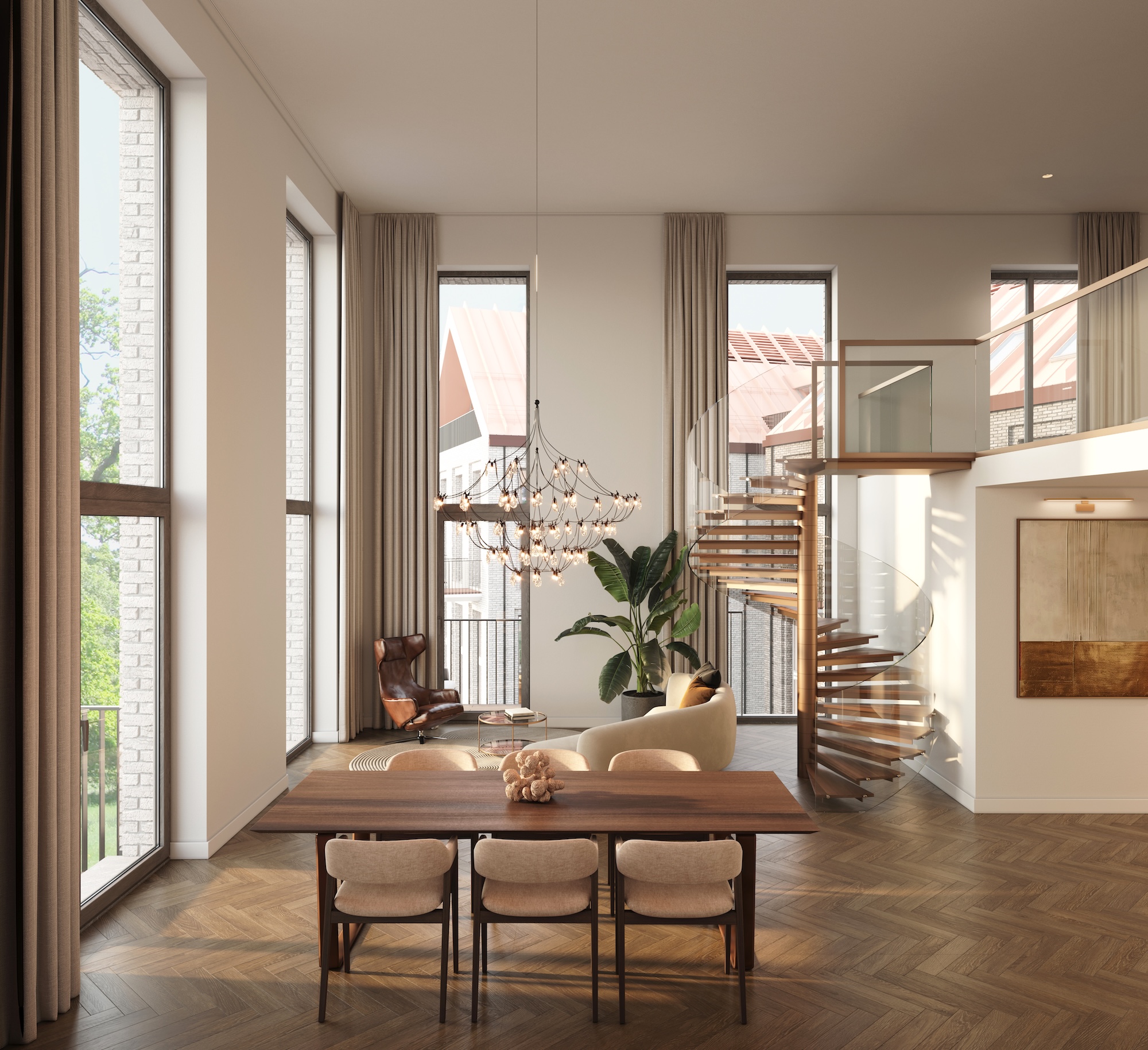
However, just as in jazz music, where improvisation does not interfere with the structure or chord sequences, certain features of Vilniaus Džiazas remained unchanged. Notably, these include the 4.4 m high ceilings and 4 m high windows, which are extremely rare in new housing projects.
Such ceilings evoke a feeling and an emotion; they provide a space to dream. They are grandeur, somewhat reminiscent of a church. Buyers of such apartments do not mind slightly higher heating bills. They believe that having more space for dreams and ideas will enable them to earn more. So let’s not be afraid to dream,’ said project developer G. Tursa.
Another key element of Vilniaus Džiazas was the high-quality finishing materials and technologies used. The developer’s experience played a major role here. G. Tursa developed projects such as Senamiesčio Dominija, Sapiegos Dominija, Gaono 8, Embassy House and Pliaterių Rūmai, and he still receives thanks from long-time residents for the timeless, meticulous design of their homes.
“No matter what project I take on, my motto is to do it as if it were for myself. That’s why there are no compromises on quality at Vilniaus Džiazas. It’s important to me that the homes we build are sustainable and as timeless as possible, and that they are aesthetically pleasing so the families living in them feel good and comfortable. I do my utmost to ensure that my projects have long-term value — the same value that our ancestors’ ancient buildings have today,” says G. Tursa, sharing his work philosophy.
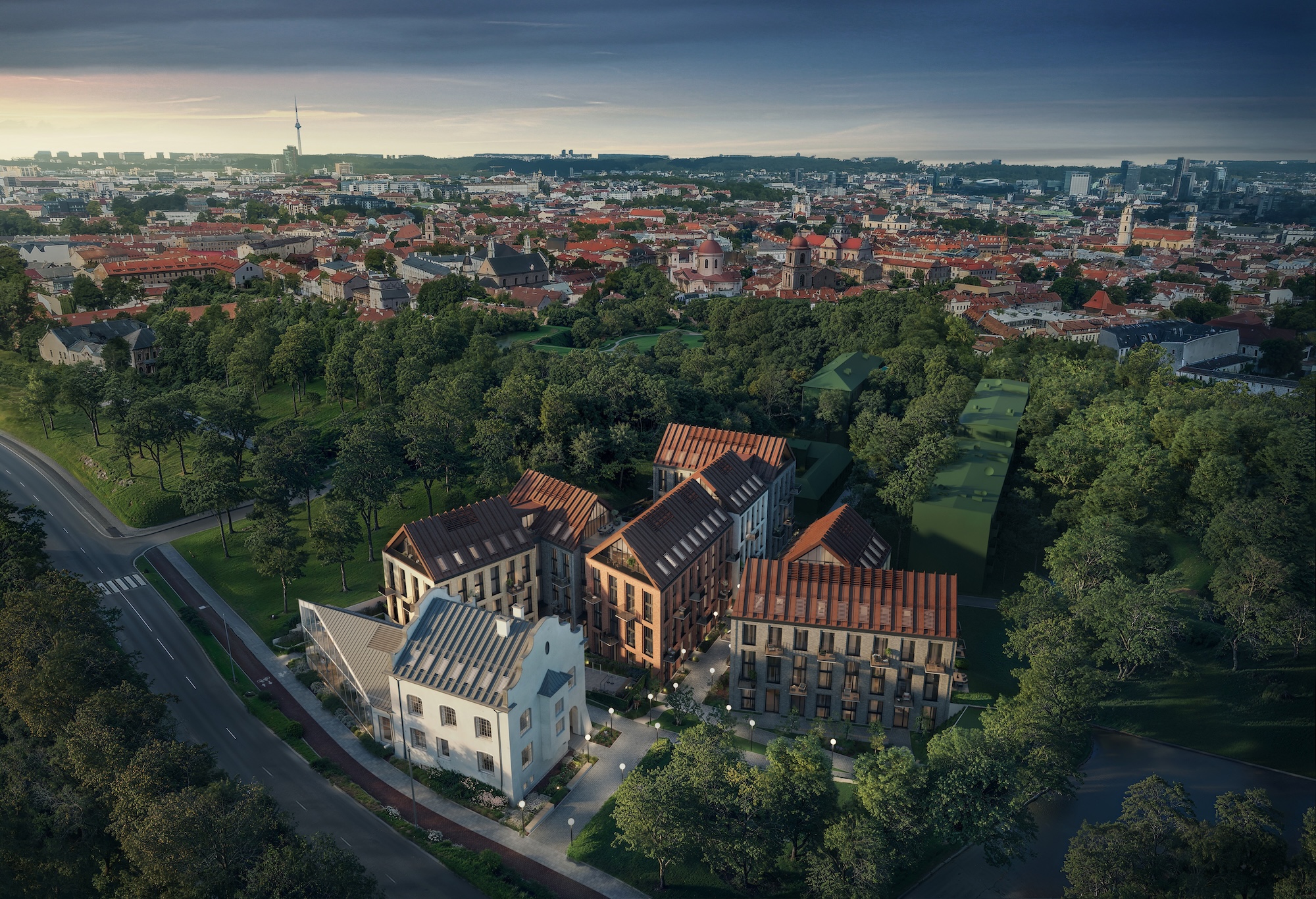
A jazzy environment
The surviving historic buildings of the Vilnius Jazz complex and the neighbouring plots are worthy of separate stories. The complex is being developed in the vicinity of the Rasų colony, which was expanded over a century ago by the banker, philanthropist and visionary Juozapas Montvila. This unique historical suburb of Vilnius features perimeter development, free planning, city villas and stone pavements.
Earlier still, this and neighbouring areas were home to parks and gardens belonging to the Čapskis family. Between the current Lapų and Vanagėlių streets stood the English-style park of the manor of Baron von René. According to Andrė Baldišiūtė, the lead architect of the Vilnius Jazz project and one of the founders of the Do Architects studio, this prestigious area began to fall into disuse during the Soviet era, when factories and other infrastructure atypical of today’s city centres were established around the Old Town, which had been destroyed in the war. The connections between the districts were further severed by the construction of the wide Drujos Street almost two decades ago.
‘Fortunately, the city’s attitude towards the centre has already changed, so Vilnius Jazz, together with the square being built here, the pedestrian and bicycle paths, and the cosy commercial street, is extending and even expanding the actual Old Town, restoring its once severed connections with Rasos and other districts,’ says A. Baldišiūtė.
Another jazz melody was heard during archaeological research. During the summer of 2022, a real treasure was discovered at the Vilnius Jazz site: around 500 coins minted between the 15^(th) and 20^(th) centuries, including coins bearing the image of Sigismund Augustus, as well as rare four-groschen and obol coins. Three gold seals bearing the coat of arms of the English Tudor dynasty were also found, attesting to the high quality of the fabrics. Three gilded seals bearing the Tudor coat of arms, attesting to the highest quality of the fabrics, were also found. Although part of this plot’s history has already been handed over to the National Museum of Lithuania, some equally interesting heritage has survived and been given a new lease of life.
This part of the site’s history has been handed over to the National Museum of Lithuania, but a part of the equally interesting heritage has survived and been given a new lease of life. This interwar architectural gem, which for decades caught the eye of passers-by on Drujos Street, has now regained its grandeur. It is the former administrative building of the Vilnius branch of the Polish consumer cooperative Społem. Designed and built by Vilnius engineer and architect Wacław Syrtowt between 1926 and 1936, it is a gem of interwar architecture. The building’s façades feature Venetian windows, decorative pediments and restrained interwar styling.
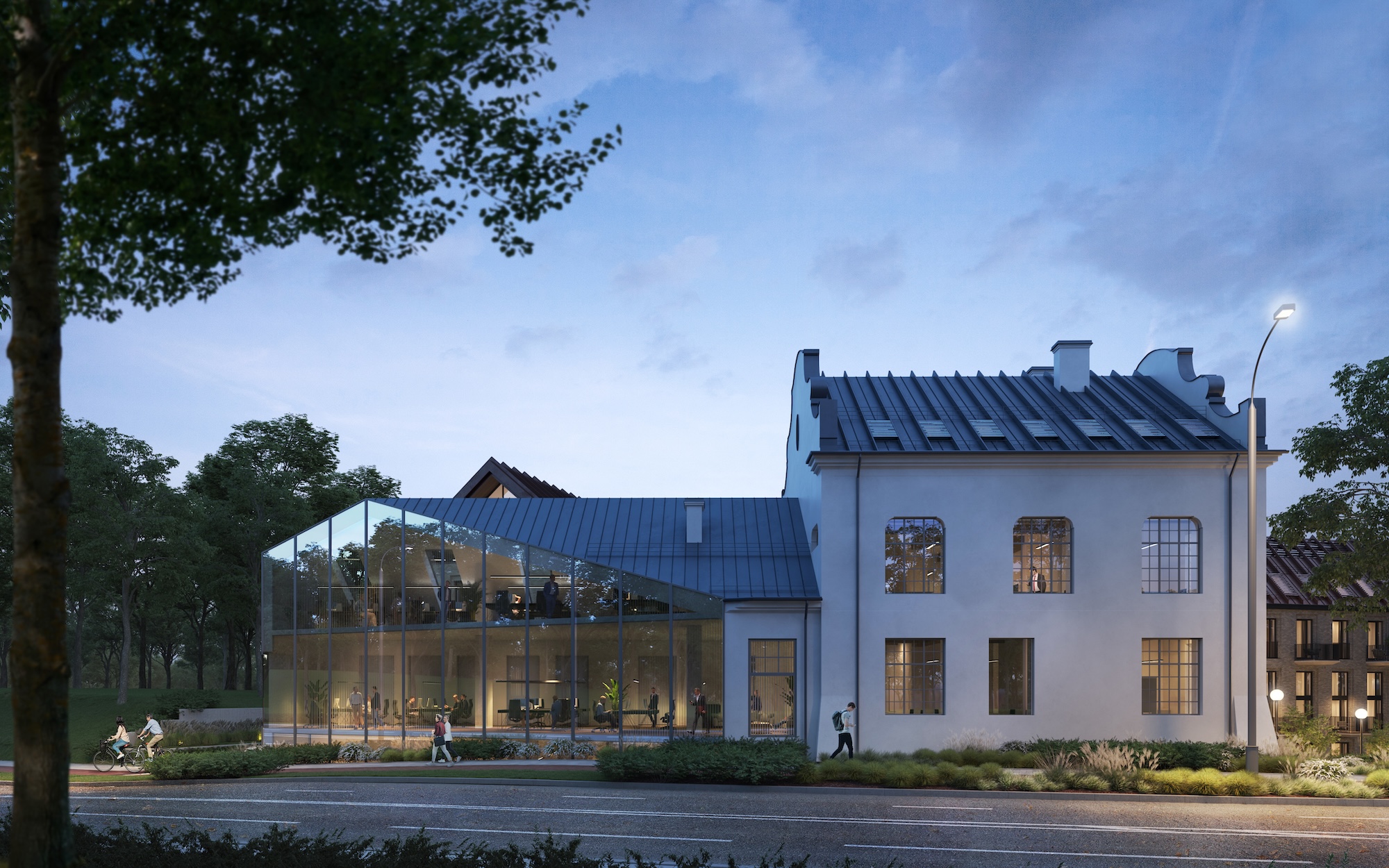
Ekstra Statyba is the company responsible for renovating this building. It has previously worked on sites such as the Sapiega Palace, St. Catherine’s Church in Vilnius, Medininkai Castle, Užutrakis Manor and the Vilnius defensive wall bastion. Here, Ekstra Statyba has professionally restored the authentic staircase, preserving its original configuration, as well as the ceramic floor tiles, old Venetian window frames, steel protective interior shutters, stove finishes, railing marks and other heritage elements. The elegant building already invites people to experience part of this revived history from the outside, and next year, future tenants will be able to showcase even more authentic interior details to their employees and the residents of Vilnius.
Jazz will soon be heard in the surroundings of the project – both literally and figuratively – as we begin installing it in the complex in Ričardas Gavelis Square. Bauland Studio has designed a functional public space here with an amphitheatre, a system of paths, rest areas, observation terraces, ‘pockets’ for various commercial activities and abundant greenery. Richard Gavelis’ work will be commemorated not only by the name of the square, but also by phrases from his novels engraved on the steps of the amphitheatre.
Opportunities to settle down
Construction of the Vilniaus Džiazas project is nearing completion, with around a third of the apartments already sold or reserved. S. Grinkienė points out that buyer interest is at its peak now, while the apartments can be viewed in person.
‘Exclusive properties are generally difficult to sell without a live viewing. In our project, buyers are particularly impressed by the ceiling height – many of them are pleasantly surprised by the powerful effect it creates. I am glad that we already have something to show, yet still have something to offer the most discerning buyers. This includes apartments with unique views of the Old Town from a height exceeding that of Gediminas Castle, as well as apartments with incredibly spacious private courtyards,” says S. Grinkienė.
You can find out more about the Vilniaus Džiazas project at www.vilniausdziazas.lt.

E-Market City, an online and wholesale trading hub in a strategically convenient location near Vilnius Airport in Kirtimai, is moving forward rapidly. Construction of the second phase of development is scheduled for completion in December this year.
Businesses have already begun to move in. The largest spaces in this phase have been leased to the cleaning and sanitation services company North Clarity and the online plumbing supplies and accessories store Santechnikos centras. Osmo Lietuva, RDA Spot and Green Flow Energy will also be setting up shop in the town.
The first phase of the project, completed in 2024, is fully occupied. Leasing in the second phase is progressing rapidly — 63 per cent of the leasable space has been leased and reserved, but 37 per cent is still available,” says Remigijus Valickas, Ober-Haus Commercial Real Estate Project Manager.
The second phase of development offers premises ranging from 483 to 1,225 m² for use as storage, offices, or retail spaces. These spaces can be easily adapted to individual business needs – segments can be combined, divided, or otherwise modelled according to the activities carried out. According to R. Valickas, e-Market City tenants particularly appreciate the well-thought-out layout of the spaces, the high-quality construction and fittings, convenient transport links, and the respectable business neighbourhood.
More information about the project can be found at www.emarketcity.lt.


With the help of Ober-Haus, a 1.7-hectare plot of land on Mykolo Lietuvio Street in Vilnius, intended for the construction of multi-apartment residential buildings, was sold. The property, which came with a completed multi-apartment residential complex project and a valid building permit, was purchased by UAB Demus Development VIII. The transaction value amounted to EUR 3.5 million + VAT.
‘The plot attracted active interest — it was evaluated by various developers looking for larger areas for new multi-apartment projects.’ Development in the Fabijoniškės district has been particularly slow in recent years, so any new project in this area is an important and welcome change. Therefore, plots of this type remain attractive to developers, as they have clear potential and the opportunity to revitalise the local market,’ says Aidas Trumpickas, the Ober-Haus real estate expert who mediated the transaction.
UAB Demus Development VIII will develop a multi-apartment project in this area.
‘The Vilnius land market remains active – buyers are looking for plots with clear development potential and the possibility to start work quickly. In such cases, it is particularly important to have a good understanding of the market, including realistic prices and potential buyers, to ensure smooth negotiations and avoid risks,” adds A. Trumpickas.
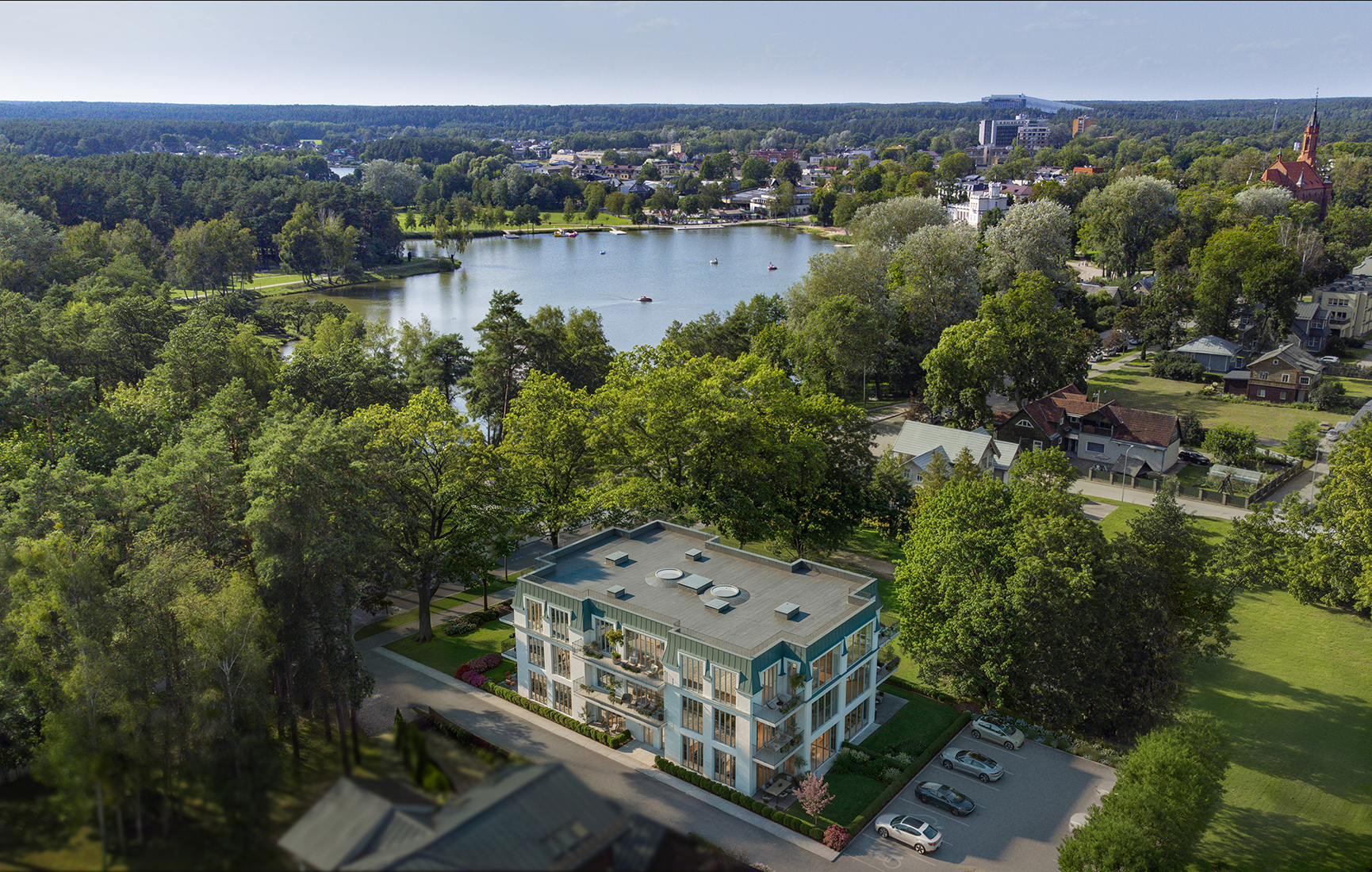
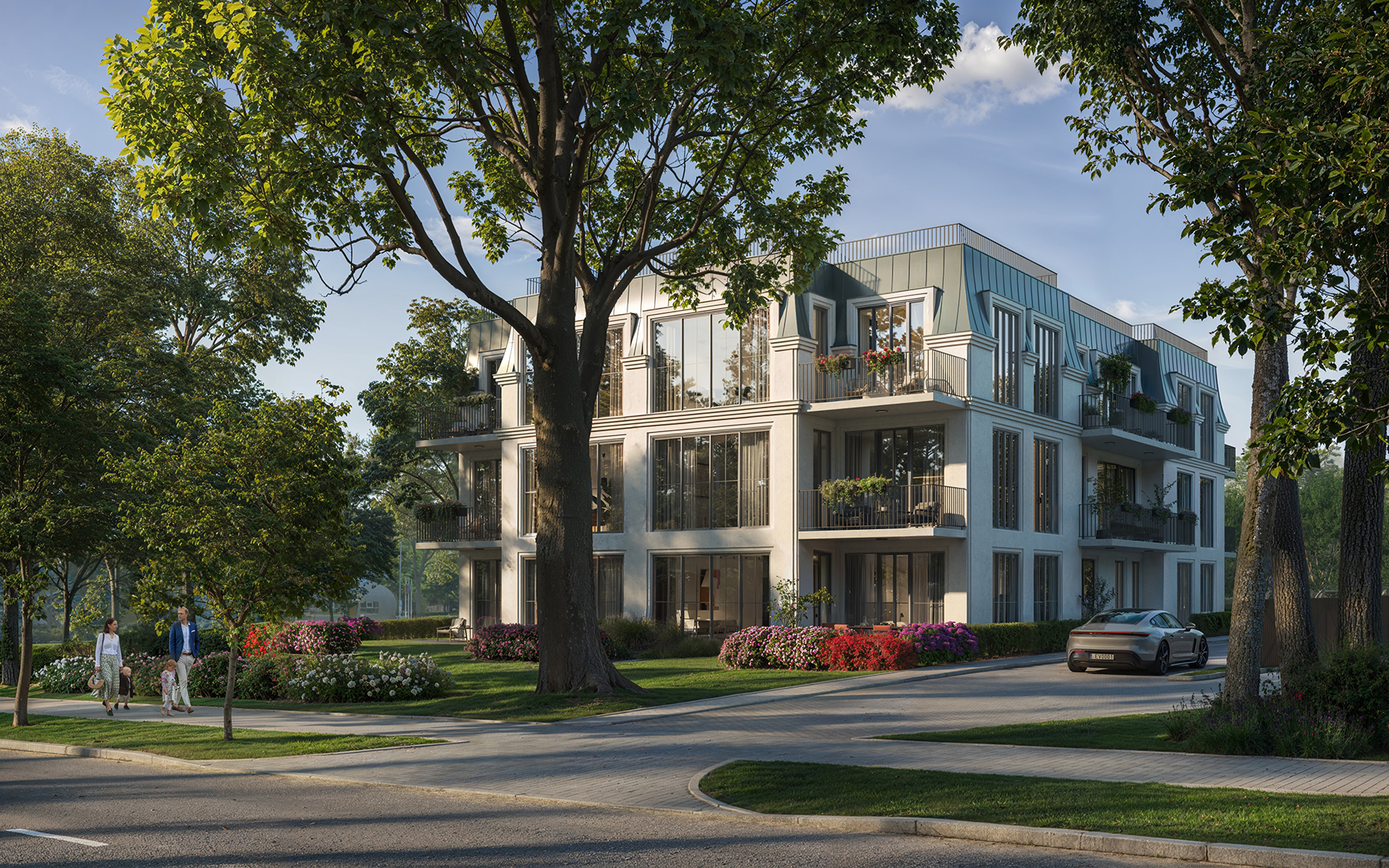
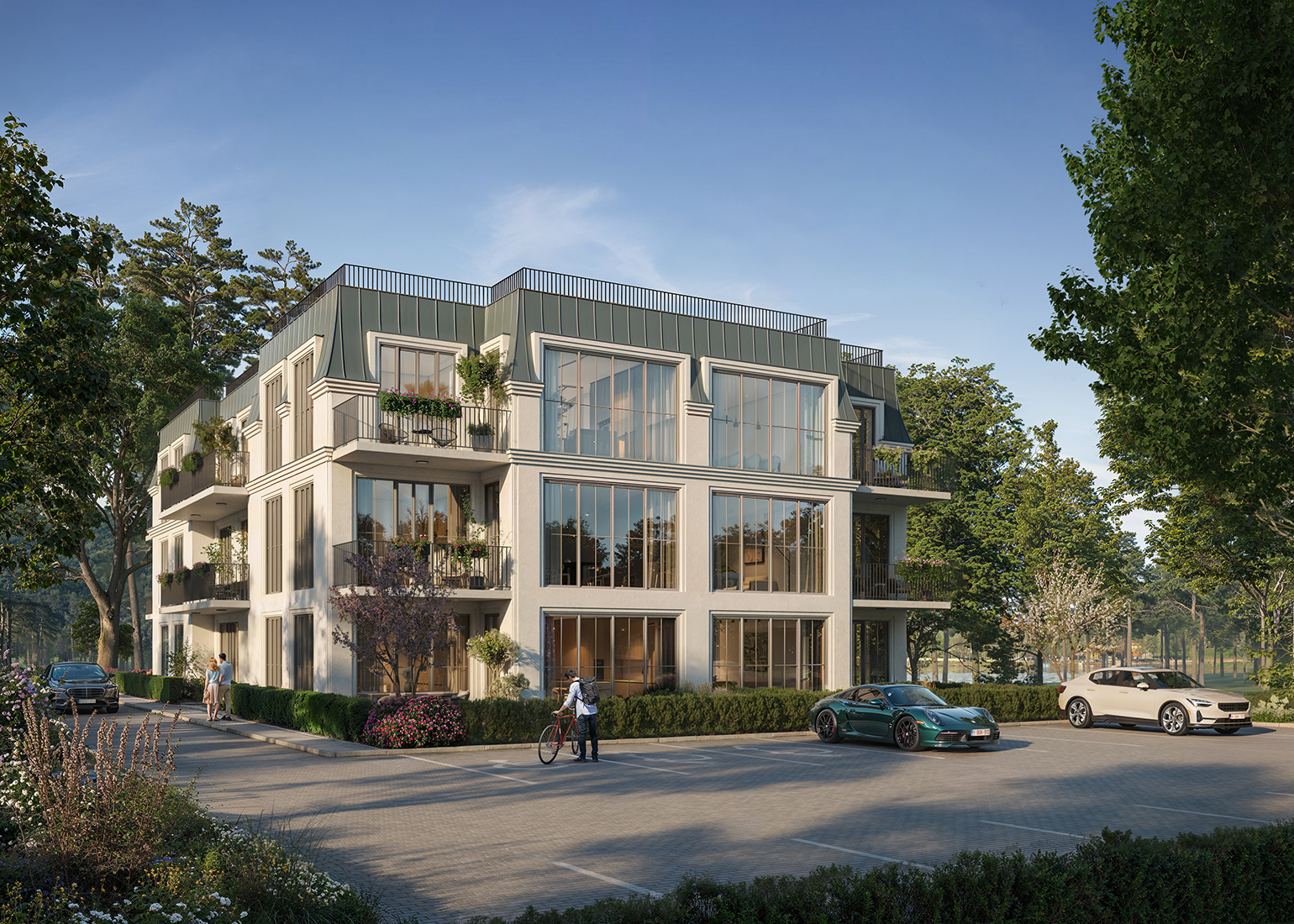
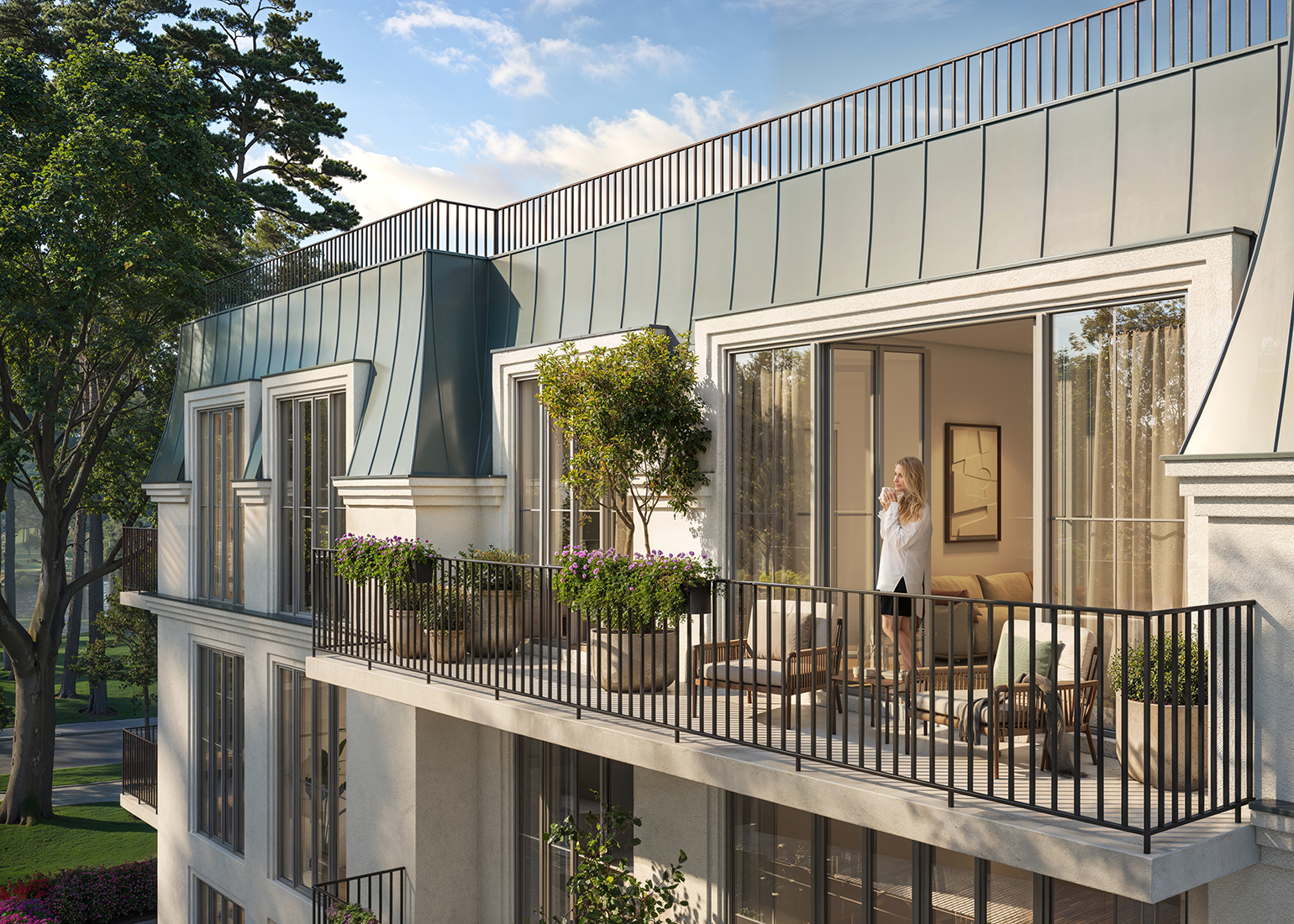
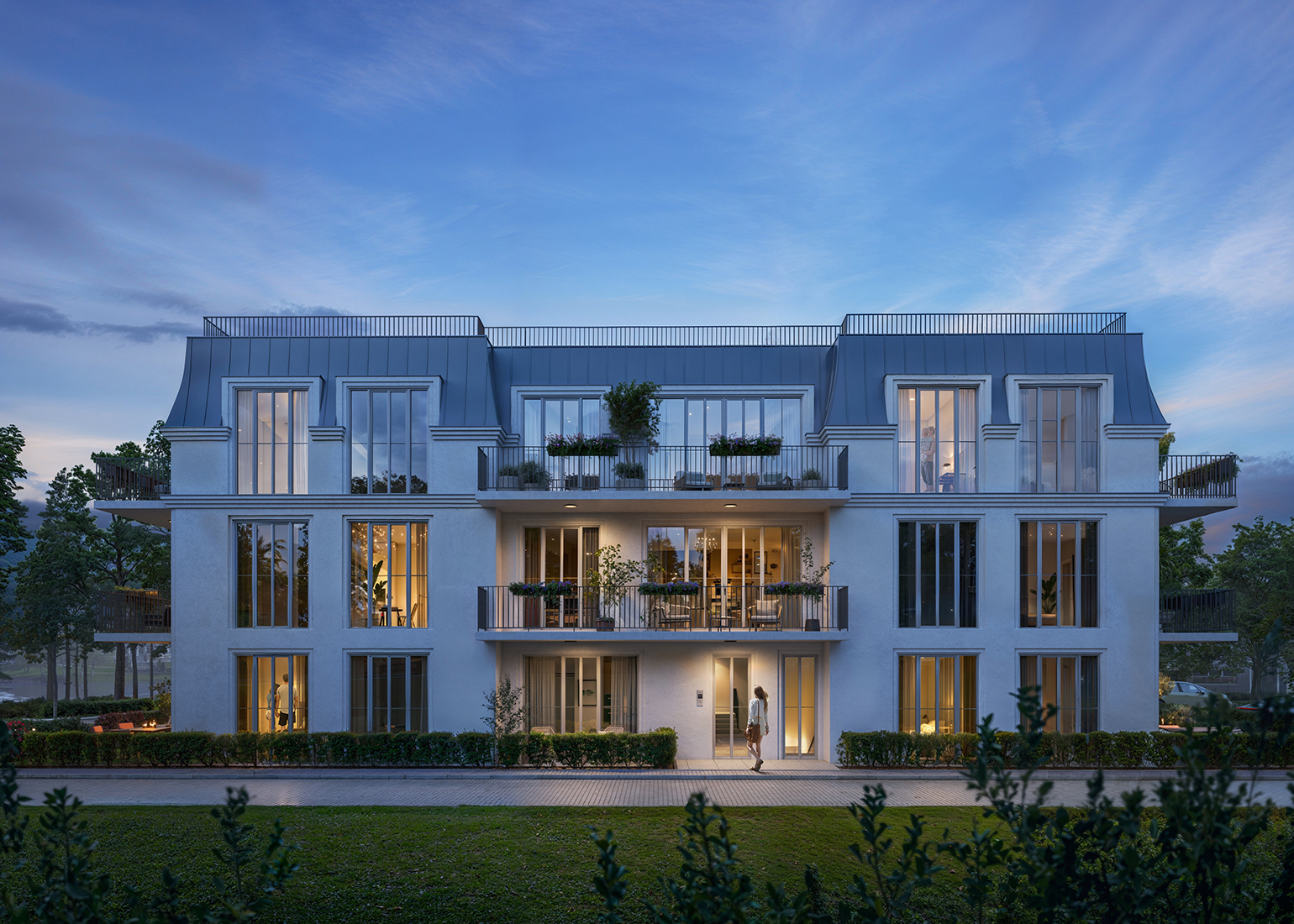
Construction has begun on Kudirkos 5, a three-storey building in a modern classicist style, in the central part of Druskininkai on V. Kudirkos Street. This compact, cosy apartment building has only 18 apartments and is designed for residents who value peace, privacy and a high quality of life. Construction is scheduled for completion in the third quarter of 2026.
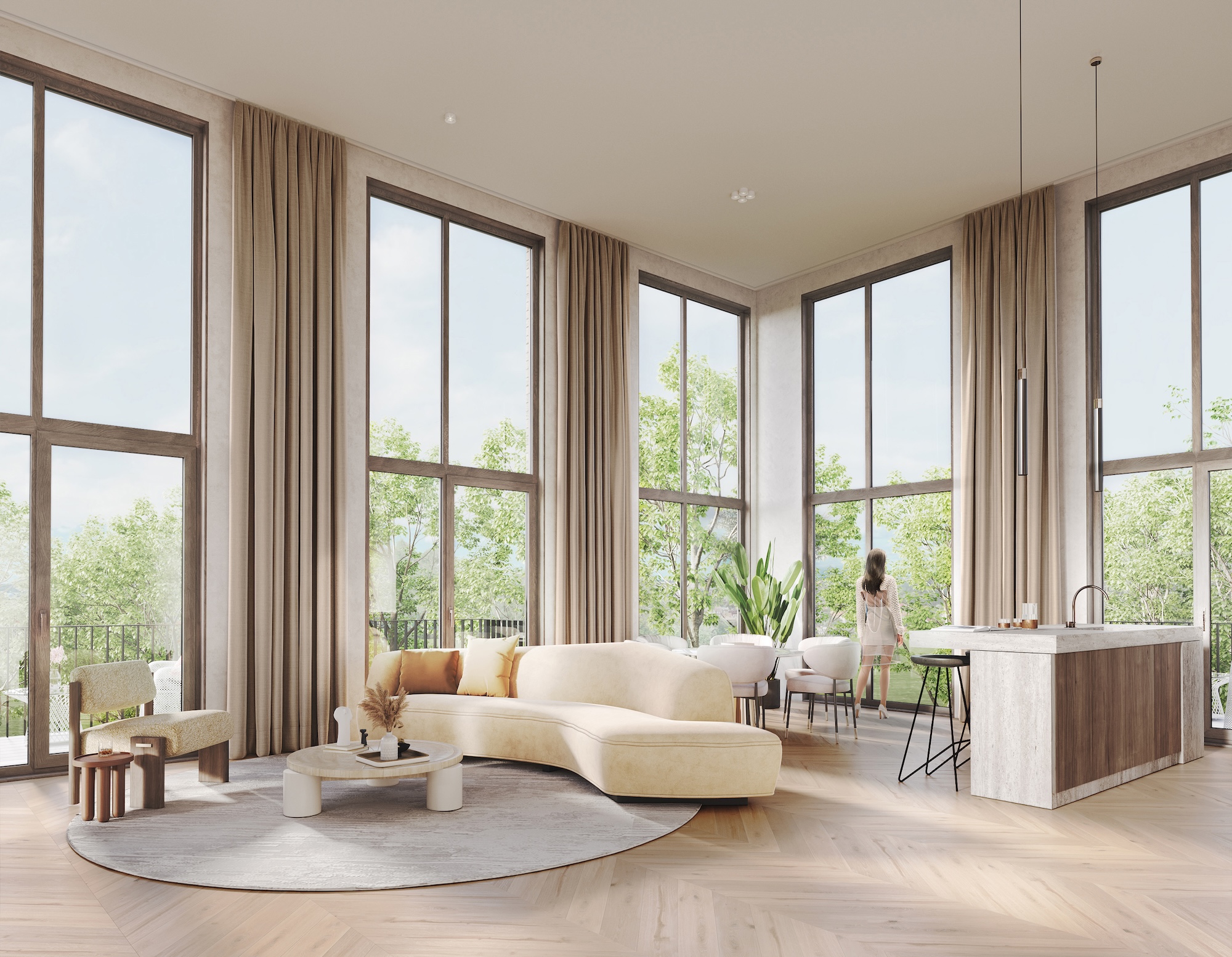
The project includes apartments ranging from 41 to 68 m² with partial finishing. The spaces are designed to be bright and cosy, with large wooden display windows, 3.20–3.40 m ceilings and 2.40 m high doors creating a solid sense of space. First-floor apartments will have private terraces and upper-floor apartments will have spacious balconies.
‘We have not seen such an architectural solution in Druskininkai before, especially with high ceilings, windows and doors that give the apartments a luxurious and spacious feel. The building, complemented by classicist elements, will become an aesthetic highlight in the city centre,” says Ober-Haus sales representative Ričardas Klinčaras.
For residents’ convenience, the building will be equipped with underfloor heating, a lift, a car park, storage rooms and bicycle storage, as well as the option to install air conditioning and heat recovery systems. The building will meet the requirements of energy class A++, ensuring sustainable and economical living.
‘The fact that an elevator is being installed in a three-storey building demonstrates the attention being paid to residents’ comfort and the quality standards set for the project. It is a solution that not only makes everyday life easier, but also demonstrates the developer’s commitment to ensuring maximum comfort for all residents,” says R. Klincaras.
The house is surrounded by professionally landscaped grounds and the windows offer views of Lake Druskonis, the town church and an evergreen forest. The location allows residents to enjoy the conveniences of the town and the tranquillity of the resort — everything needed for everyday life and leisure is within walking distance.
“Druskininkai is a unique city where nature and architecture blend harmoniously into a single whole. Living here means taking care of your most precious asset – your health,’ says R. Klincaras.
The Kudirkos 5 project is being implemented by UAB Idea Partner, with the Ober-Haus team handling sales and marketing.
For more information, visit www.kudirkos5.lt.
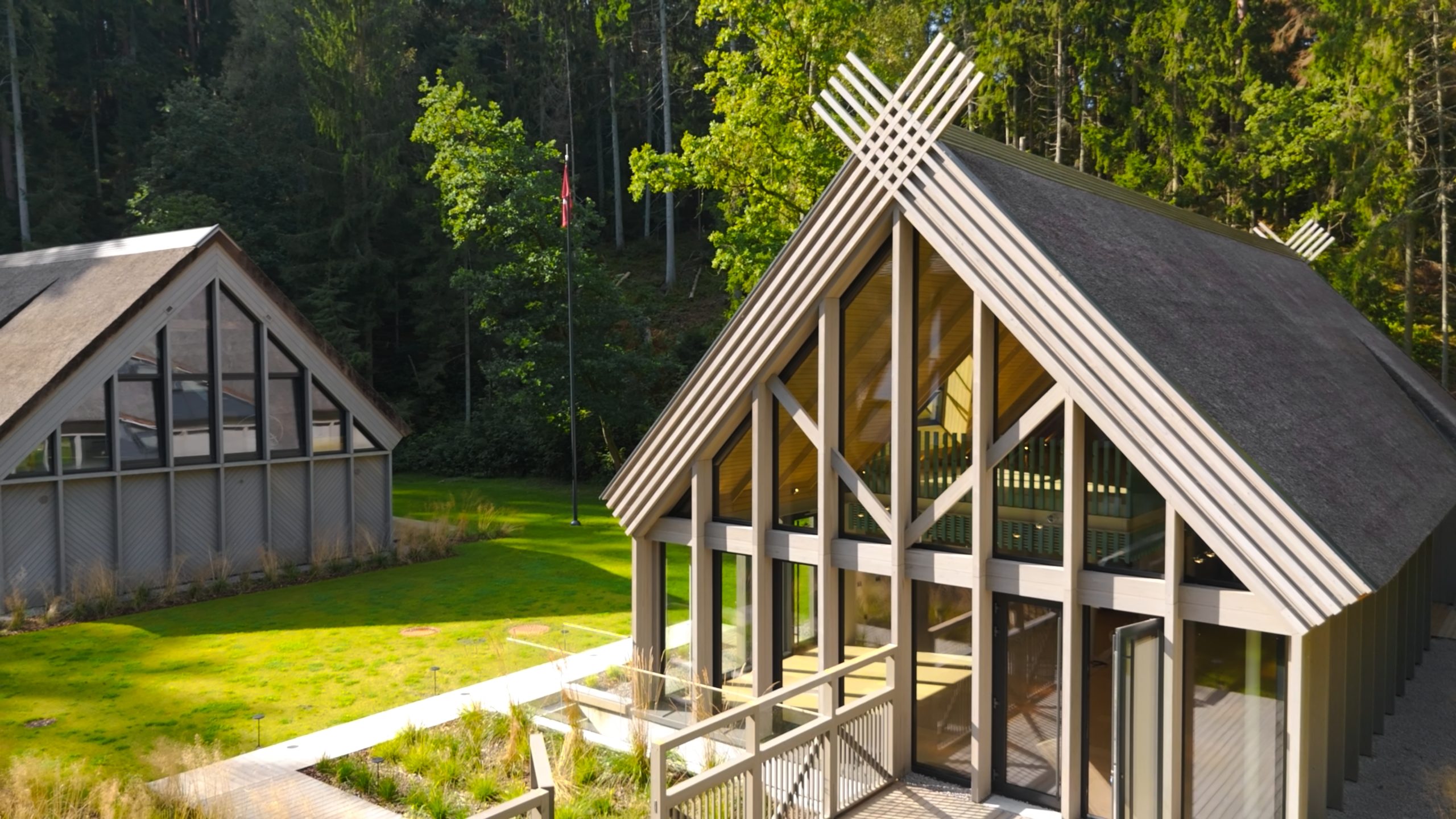
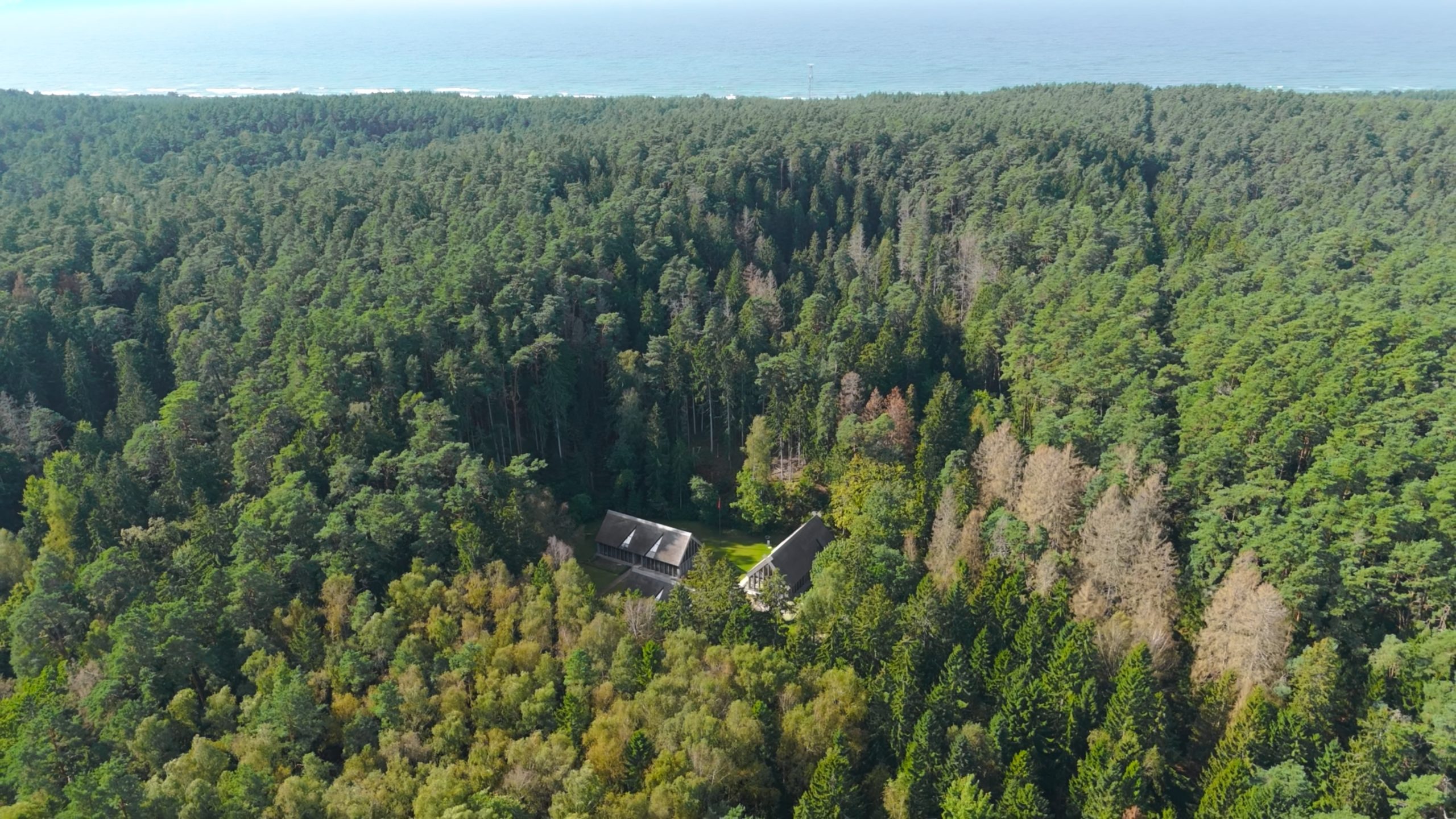
In the heart of the Curonian Spit, near the Raganų Hill trail in Juodkrantė, a unique project is being developed: a new-generation leisure and restaurant complex called Pašto Kelias, where modern architecture blends with the history of Neringa and the surrounding natural beauty. A manager for the entire complex is currently being sought.
The complex has been built on the site of the former Soviet-era café, Raganinė. This area had been abandoned for a long time, but it is full of potential. The architects sought solutions to revive the area purposefully and sustainably, transforming it into a vibrant, functional space. Today, modern buildings stand here, blending harmoniously into the architectural style of Neringa. The complex consists of three separate buildings which will house residential apartments (with 50 beds), co-working spaces and a 335 m² restaurant with spacious outdoor terraces.
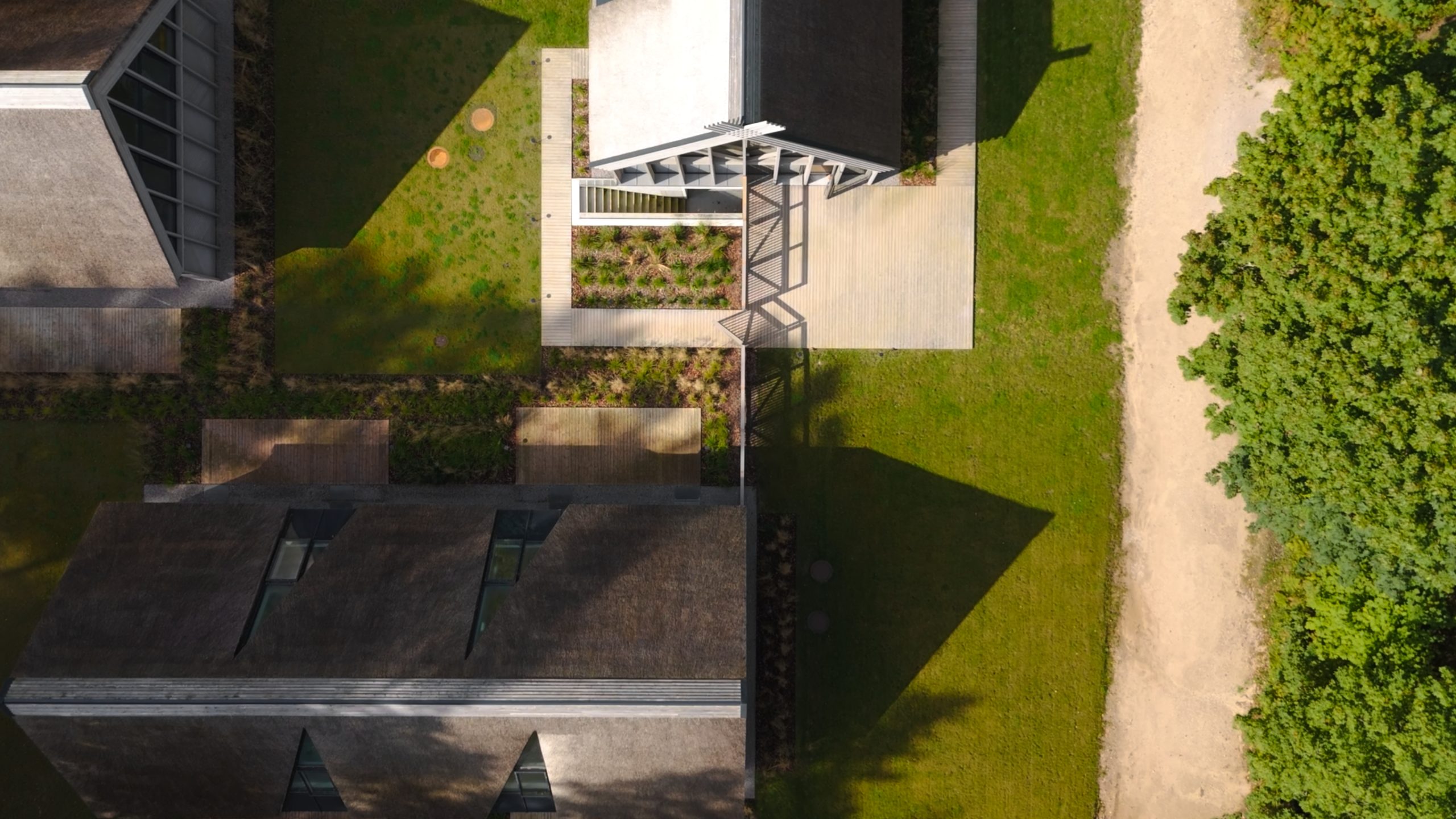
One of the spaces in the complex is earmarked for a café-restaurant with outdoor seating areas. The restaurant premises are partially ready for operation, so only minimal investment in furniture, interior design, tableware and other items is needed to get started. The production area of the restaurant is fully equipped,” says Rimantas Poznanskis, Ober-Haus’s commercial real estate project manager. A co-working space is also planned in the same building as the restaurant.
The recreational living space, which has 50 beds, is located in two separate buildings surrounded by eight spacious terraces. Each 75 sq. m apartment is designed to accommodate four to six people.
‘We invite businesses looking for a unique location for their activities. We are currently looking for an operator who can take over and manage the entire complex, from its daily operations to the implementation of its long-term vision,’ says R. Poznanskis.
The project is in an exceptional location in the Curonian Spit National Park, near the legendary Raganų kalnas trail. This location ensures a constant flow of tourists and a vibrant environment all year round. Just 350 metres from the Curonian Lagoon and 1 kilometre from the Baltic Sea, it offers a rare opportunity to experience the authentic spirit of Neringa and the exceptional harmony of peace and nature.
About the name – a historical connection with the European postal route
One of the most important land routes of the 17th–18th centuries, the European postal route ran along the coast of the Curonian Spit. Letters and parcels were transported along it between Riga, Gdańsk, and Königsberg, and later even as far as Berlin, Moscow, and St. Petersburg.
The road got its name because it was used by postal carriages travelling between Eastern and Western Europe. Taverns and rest stops were established along this route, and over time the first fishing villages on the Curonian Spit developed around this infrastructure.
The Pašto Kelias complex inherited its name from this history. It symbolises the road that once carried people, knowledge, and culture, connecting Europe. Like the postal road of yesteryear, the complex invites you to stop, rest and experience the essence of the Curonian Spit today.
For more information about the project, visit www.pastokelias.lt.
The Ober-Haus Lithuanian apartment price index (OHBI), which follows changes in apartment sale prices in the five biggest Lithuanian cities (Vilnius, Kaunas, Klaipėda, Šiauliai and Panevėžys) increased by 0.7% in October 2025. The annual apartment price growth in the biggest cities of Lithuania was 9.9% (a 9.5% increase was recorded in September 2025).
In October 2025 apartment prices in Vilnius, Kaunas, Klaipėda and Šiauliai increased by 0.7%, 1.0%, 0.3% and 0.7%, respectively, with the average price per square meter reaching EUR 2,871(+21 EUR/sqm), EUR 2,023 (+21 EUR/sqm), EUR 1,869 (+6 EUR/sqm) and EUR 1,250 (+8 EUR/sqm). Meanwhile, Panevėžys recorded a 0.1% decline in apartment prices, with the average price per square meter standing at EUR 1,217 (-2 EUR/m²).
In the past 12 months, the prices of apartments increased in all the biggest cities in the country: 9.5% in Vilnius, 12.1% in Kaunas, 9.1% in Klaipėda, 9.5% in Šiauliai and 8.7% in Panevėžys.
“In October this year, activity in the country’s housing market reached record highs. According to data from the State Enterprise Centre of Registers, nearly 5,000 homes were purchased in Lithuania that month, making it the most successful month since 2021 and one of the most productive in the country’s history. The previous most active period in the housing market was the second quarter of 2021, when 5,000–5,500 apartments and houses were purchased per month.
Growing activity in the housing market continues to accelerate housing price growth, with sales prices rising significantly faster than the prices of other consumer goods and services in the country. According to data from the State Data Agency, annual inflation calculated according to the harmonised consumer price index was 3.7% in October 2025, while apartment prices rose by 9.9% over the same period. Therefore, real apartment prices, adjusted for inflation, increased by 5.9% year on year in the country’s major cities. The last time faster growth in real apartment prices was recorded was in the second half of 2021 and early 2022. This indicates that the country’s housing market is currently experiencing an especially active period, driven by demand for first-time or higher-quality housing, investment opportunities and high expectations among housing sellers,” said Raimondas Reginis, research manager for the Baltics at Ober-Haus.

Companies that have decided to move from old offices to modern business centres after many years, or those new to the office rental market, are faced with a model that has been used in this sector for some time. This model is much more detailed than ‘price per square metre plus utilities. Ugnė Liaudanskienė, the Ober-Haus office leasing manager, shows businesses looking for new premises what tenants pay for and how they pay for it.
As residents and business representatives are much more familiar with the basic principles of apartment rentals, they have similar expectations for offices. Even in old business centres, long-established companies sometimes ask themselves what else could make up the rental price besides the price per square metre, utility bills and perhaps symbolic maintenance costs.
Publicly, only the ‘bare’ rental price per square metre is usually declared. In Vilnius’ Class A business centres, this has settled at 16–20 EUR/sq. m this year and is likely to remain so until next year. In Class B centres, it is 10–15.50 EUR/sq. m. According to Ober-Haus data, rental prices for Class A offices in the capital have increased by 17% since the end of 2020 and by 13% for Class B offices.
However, tenants who are not yet familiar with modern business centres and their practices should not be surprised to find that various taxes add an extra €4–6 per square metre to the above amounts each month. Newcomers to the market may also be surprised to learn that attractive and functional common areas of the building intended for employees or guests are included in the leased area on a proportional basis. Additionally, separate costs for parking spaces or signage on the façade should be factored in.
According to U. Liaudanskienė, office rental prices were much simpler to calculate, similar to the apartment market, in Lithuania a dozen or so years ago, before the emergence of modern business centres. These simple methods remain in use in individual business centres and when renting separate administrative premises. She therefore suggests that experienced market participants bear this in mind and that newcomers familiarise themselves with the practices that determine the final rental price in modern business centres.
“Overall, we can be happy that Lithuania has not only adopted Western office rental practices and methodologies, but has also implemented them correctly and sensibly.’ For example, unlike in some Scandinavian markets, office space in Lithuania is not taxed up to the perimeter of the building’s exterior walls or the plot of land under the building. Additionally, office rental prices and other costs in Vilnius remain significantly lower than in London, Oslo and other major European cities,” comments U. Liaudanskienė.
It’s not necessarily an obvious ‘square’
The price per square metre is probably the most obvious component of the final office rental cost. However, in new business centres, it is important to familiarise yourself with their office space calculation methodology, as this may differ from the cadastral measurements provided to the Registry Centre.
Property managers are transparent about this and do not seek to mislead customers, but tenants should find out if the floor area is calculated up to the inner side of the outer walls and if the area under walls, columns, partitions, supporting structures and elevator shafts, staircases and balconies is included. This methodology may vary from property to property, so for the same price – say, €20 – you may get a slightly different ‘square’ that is actually useful for business.
Also, even if a company needs 100 square metres of office floor space, the shared floor space may be proportionally allocated at the same price per square metre – for example, the area leading to the door of the rented office, corridors, areas near elevators and common sanitary facilities and kitchenettes used by company employees or their guests.
Another novelty for tenants moving into modern business centres for the first time relates to the communal areas of the entire building (rather than a specific office floor). These areas are distributed among all offices in the building in proportion to the space used, and are known as the ‘add-on’. These may include communal areas on the ground floor, break or waiting areas, gyms (if applicable), shared toilets or showers, bicycle storage rooms, and so on. While new business centres are increasingly talking about employee well-being and actually delivering on it, for tenants, all of these amenities come at an additional cost, usually adding another 3-10% to the actual square footage of the leased office space.
What else is in store?
Today, managers of modern business centres mostly adhere to the “triple net lease” principle, meaning that, in addition to the usual monthly rent, tenants pay all main property-related costs in proportion to their space usage.
The most obvious of these are utility charges based on actual consumption, as measured by meters – water, electricity and heating. Currently, this adds about €1–2 per square metre to tenants’ bills.
In addition to the aforementioned communal areas of the floor or building, office tenants may also be required to pay separately for this space’s operating costs. They are also required to pay for building administration, technical maintenance and repairs, security, waste disposal, cleaning and maintenance of the premises, building insurance, land or land lease, and real estate taxes, all in proportion to the leased area as set out in the lease agreement.
In Vilnius, these fees currently range from €2.50 to €4.50 per square metre per month. According to Ober-Haus data, utility and common costs in business centres have increased by around €2 per square metre over the last five years, due not only to rising energy prices, but also to certain modern engineering solutions, such as the installation of automatic irrigation systems.
How can you avoid getting lost?
In addition to the above, tenants will usually have to budget for parking spaces or outdoor advertising. Some business centres charge for the rental of signs on the façade, costing from a few hundred to one-and-a-half thousand euros per month. It is also important to note that the vast majority of lease agreements are indexed annually, meaning that not only the price of office space, but also the price of parking spaces and other fees, will be adjusted for inflation.
The office layout and furniture situation can create additional nuances, but also opportunities for efficiency. A wide variety of scenarios are possible, ranging from moving into a furnished office that requires no changes, to setting up in a partially finished space in a newly built building. Tenants who invest more of their own funds in infrastructure can expect certain discounts and benefits, such as free rent during renovation work. Conversely, in some cases, these costs may be covered by the business centre, but the tenant may then be bound by longer or less flexible lease terms. Either way, furnishing an office will incur financial and/or time costs, so it is worth anticipating these in advance.
Business centre managers clearly state all these aspects in lease agreements and allow room for negotiation on certain issues. Therefore, tenants are advised to carefully analyse, consult and compare first.
The days when you only paid for the ‘floor under your feet’ in modern business centres are long gone, but the market itself has developed in line with best practices in Western Europe. The ‘catches’ in the Lithuanian office market are not hidden or deliberate, and a thorough analysis will more often than not help you to make the right decision. Ultimately, the long-term value created by a new office that meets your employees’ needs is likely to outweigh any additional costs or concerns that may arise.

The third quarter of 2025 saw significant changes to the office market in the capital city, with the construction of three large office buildings achieving completion: Hero on Lvivo Street, Jasinskio 2 on J. Jasinskio Street, and new office building on Švitrigailos Street developed by Vilbra. These projects added a total of 42,700 sqm of usable office space to the market, increasing the total area of modern office premises in Vilnius by almost 4% to 1,236,700 sqm.
‘This is one of the largest space increases in a quarter since 2020. The substantial expansion of office space and the ongoing sluggish activity of tenants also resulted in a significant rise in the vacancy rate of office premises,’ says Raimondas Reginis, Ober-Haus’s market research manager for the Baltic countries. According to Ober-Haus data, during the third quarter of 2025, the vacancy rate for offices in the capital increased from 8.5% to 10.3%. The vacancy rate for A class offices was 11.2%, and for B class – 9.6%.
In the capital, the last time there was such a high overall vacancy rate for modern office space, was mid-2011, at 10.4%. ‘At that time, the entire real estate market was experiencing one of its weakest periods since the global financial crisis, and the office sector was no exception. However, the office market was not as developed then, with the total area of modern offices being almost three times smaller than it is today,’ says R. Reginis. A 10% vacancy rate in 2011 represented approximately 46,000 sqm of vacant office space, the total vacant space in buildings operating now, is almost three times larger at around 127,000 sqm.
Based on the indicators from the last decade, it is evident that the occupancy rates of top-class business centres are generally higher than those of lower-class office buildings. During periods of rapid economic growth, expanding or newly established companies tend to invest more in creating attractive workplaces and choose to rent higher-quality office space in better locations in the city.
‘However, the simultaneous opening of several, or one large project, can alter this ratio. For example, in September 2025, construction of one of the largest business centres, Hero, was completed next to Konstitucijos Avenue in Vilnius. It is reported that this project offered the market over 30,000 sqm of leasable space and opened with 25% occupancy. A project of this size can significantly impact the overall and respective segment occupancy rates, as evidenced by the latest indicator for A class vacant office space. A similar situation arose in 2018 when a large number of new, A class office buildings opened in the capital city, one after another, and the vacancy rate in this office segment had exceeded that of the B class,’ says R. Reginis.
Despite companies currently focusing more on using their available space efficiently, this is a particularly favourable time for tenants looking for new workspace. The wide and abundant selection of vacant offices gives businesses a much broader choice and a stronger negotiating position when discussing lease terms with landlords. R. Reginis points out that, despite the noticeable tension in the office market, property owners are not yet inclined to change their base rents fundamentally. Instead, they are focusing on offering more attractive lease terms to potential tenants, such as shorter lease periods, the option to lease smaller spaces, and greater investment in the fit-out of the premises. Meanwhile, office rents in 2025 remained largely unchanged, with B class offices usually offered at €10.0–€15.5/sqm and A class at €16.0–€20.0/sqm, and reaching €21.0–€22.0/sqm for the most attractive premises in the newest business centres.
The office market in Kaunas and Klaipėda: a balance of supply and demand
Although Kaunas has not seen many office development projects recently, investors regularly offer new office spaces to tenants. The conversion of the former Drobė factory in Žemieji Šančiai into modern commercial premises is ongoing. Over 20,000 sqm of space in the historic building are being converted into areas suitable for retail, offices and other activities. In 2021, the Drobė Factory project offered office space on several floors to the market, and in the third quarter of 2025, another floor was adapted for office use, offering up to 3,800 sqm of space.
According to Ober-Haus data, currently, the total area of modern office space in Kaunas is 252,200 sqm, and the vacancy rate rose from 4.4% to 5.3% during Q3 2025. Over the next 12 months, three major new projects are expected to be completed in Kaunas (Hermanas, Kauno Parkas and former Kaunas household goods store, the Juzė building on Savanorių Avenue), which will offer over 20,000 sqm of office space to the market. Currently, the growth of new office space and the level of demand in Kaunas are balanced, so rents have remained stable. The newest and highest-class business centres in Kaunas are currently asking rents of around €16.0–€19.0/sqm, while office rents in B class buildings are usually around €10.0–€14.0/sqm.
No newly developed premises were added to the modern office market in Klaipėda in Q3 2025, so the total area of modern office premises remained unchanged at 82,800 sqm. As a result, a steady decline in vacancy rate continues to be recorded. According to Ober-Haus data, during the third quarter, the vacancy rate fell from 6.1% to 4.8%, one of the lowest figures in the city’s modern office history.
Although the choice of office space for tenants in Klaipėda is currently limited, projects nearing completion will soon provide more options for those looking for modern offices. The Hanza business centre, which has a floor area of almost 11,000 sqm, is nearing completion. More than 80% of it has already been leased. Companies setting up in new projects often vacate premises in older office buildings, providing an opportunity for other tenants to move into the vacated spaces. Construction of the new Smiltynės Perkėla terminal on Nemuno Street is also nearing completion. It will feature passenger waiting rooms, ticket offices, a café and administrative staff offices, and some of the office space will be available for rent. On Mokyklos Street, the Sendvario Dvaras commercial complex is under development and will offer premises for various activities. At the beginning of 2026, construction of an office building with an area of over 2,000 sqm on Taikos Avenue is expected to be completed. R. Reginis notes that as a result, we should see greater tenant movement in the Klaipėda office market than we have seen so far.